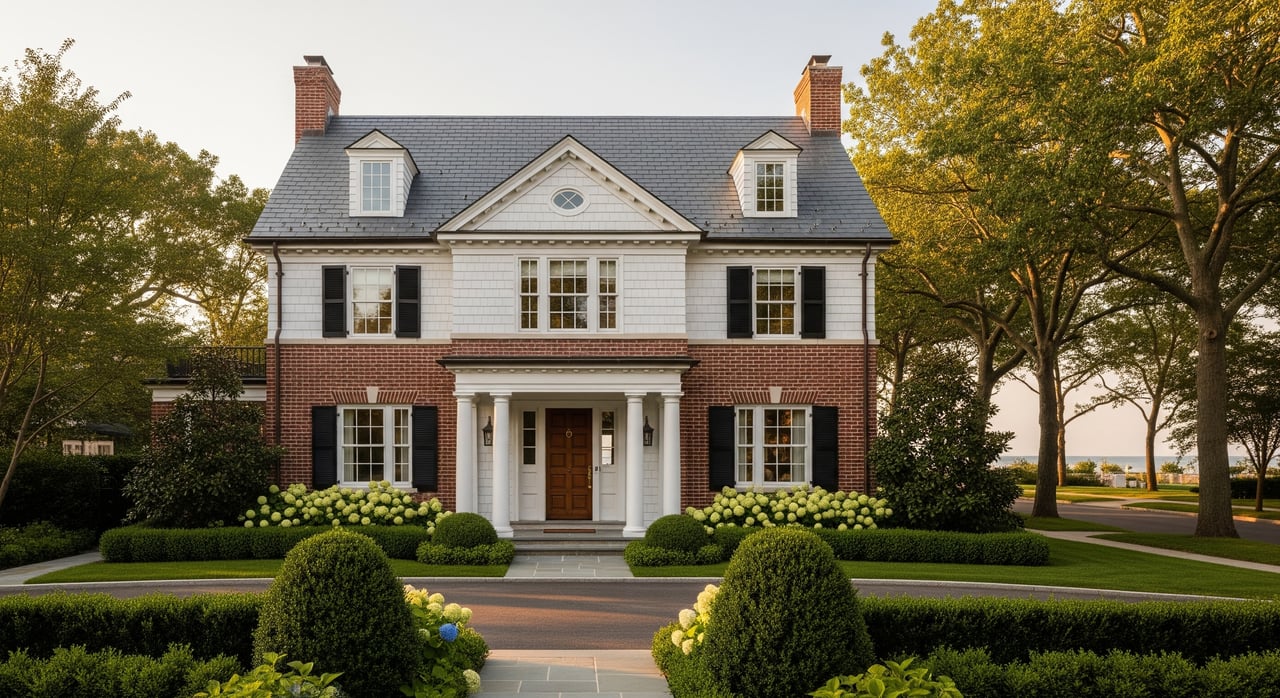
Whitestone Single-Family Home Styles Explained
November 14, 2025
November 14, 2025
Trying to tell a Tudor from a Cape on a quick drive through Whitestone? You are not alone. With so many charming single-family homes in one place, it can be hard to know what style you are seeing and what it means for value, maintenance, and future renovations. In this guide, you will learn how to spot Whitestone’s most common home styles, what eras they come from, and the practical checks you should make before you buy or sell. Let’s dive in.
Whitestone sits on the northeastern edge of Queens along the East River. It is known for a higher share of detached single-family homes than most of New York City. Many properties offer private yards, driveways, and garages, which is a major draw.
Most single-family areas sit within low-density zoning districts. Zoning shapes what you can add, how much you can build, and where you can place it on the lot. You can review lot-specific rules using the city’s interactive NYC ZoLa zoning map.
Whitestone does not have direct subway service. Many residents rely on local or express buses, car commutes via nearby expressways, or connect to the LIRR or subway in neighboring areas. Transit convenience is a common factor in buyer decisions.
Compared with many NYC neighborhoods, Whitestone lots tend to be wider and deeper. Private driveways and detached or attached garages are common. Corner lots can offer different expansion options than mid-block lots, especially for side yards and curb cuts.
Many homes have basements or crawlspaces. Basement ceiling height and egress affect whether a lower level can be finished for living space. Confirm existing conditions and any past work in the DOB records before planning renovations.
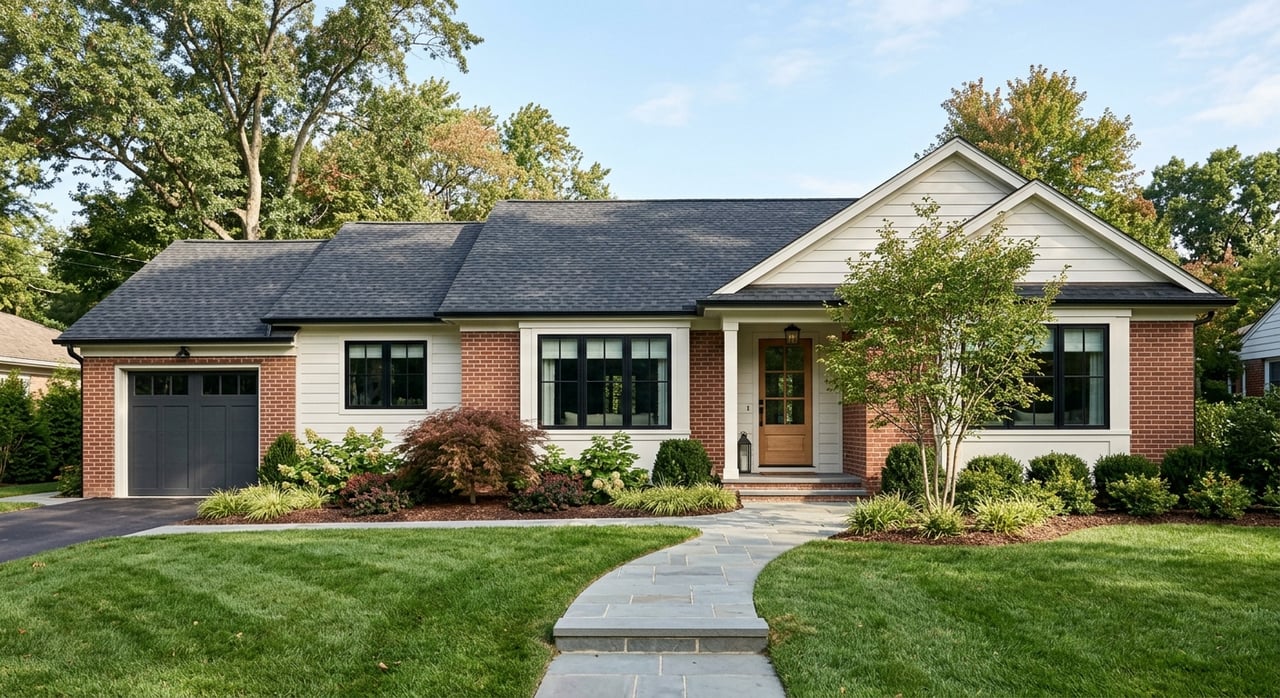
Typical exterior materials include brick, stone, wood clapboard, stucco, and vinyl siding. Routine care often includes roof replacement and flashing, chimney repointing, window upgrades, paint or siding renewal, and grading to direct water away from the foundation.
For mechanicals, older homes may have aging boilers or furnaces and dated electrical panels. Budget for upgrades to HVAC, electrical, and insulation if systems are near end of life. Permit histories and open violations are visible through the Department of Buildings.
Your ability to add a dormer, a rear extension, or an accessory space depends on your exact zoning district, lot size, and setback rules. Always confirm what is allowed on your block and lot with the NYC zoning map on ZoLa. Then review the property’s permit and Certificate of Occupancy history at the NYC Department of Buildings.
If you are evaluating a potentially historic property, search the NYC Landmarks Preservation Commission to see if landmark rules apply. For local planning context, you can also check updates from Queens Community Board 7, which covers Whitestone, Flushing, and College Point.
If a property is near the bay or along low-lying blocks, flood status is an essential check. Use the FEMA Flood Map Service Center to look up the flood zone and the NYC Flood Hazard Mapper for city-specific guidance. Your lender may require flood insurance in certain zones. An elevation certificate can help with underwriting and premium estimates.
For shoreline structures like bulkheads, confirm permits and maintenance records. Resiliency upgrades such as raised mechanicals or flood vents may add long-term value in coastal areas.
Use these official tools to verify any Whitestone address:
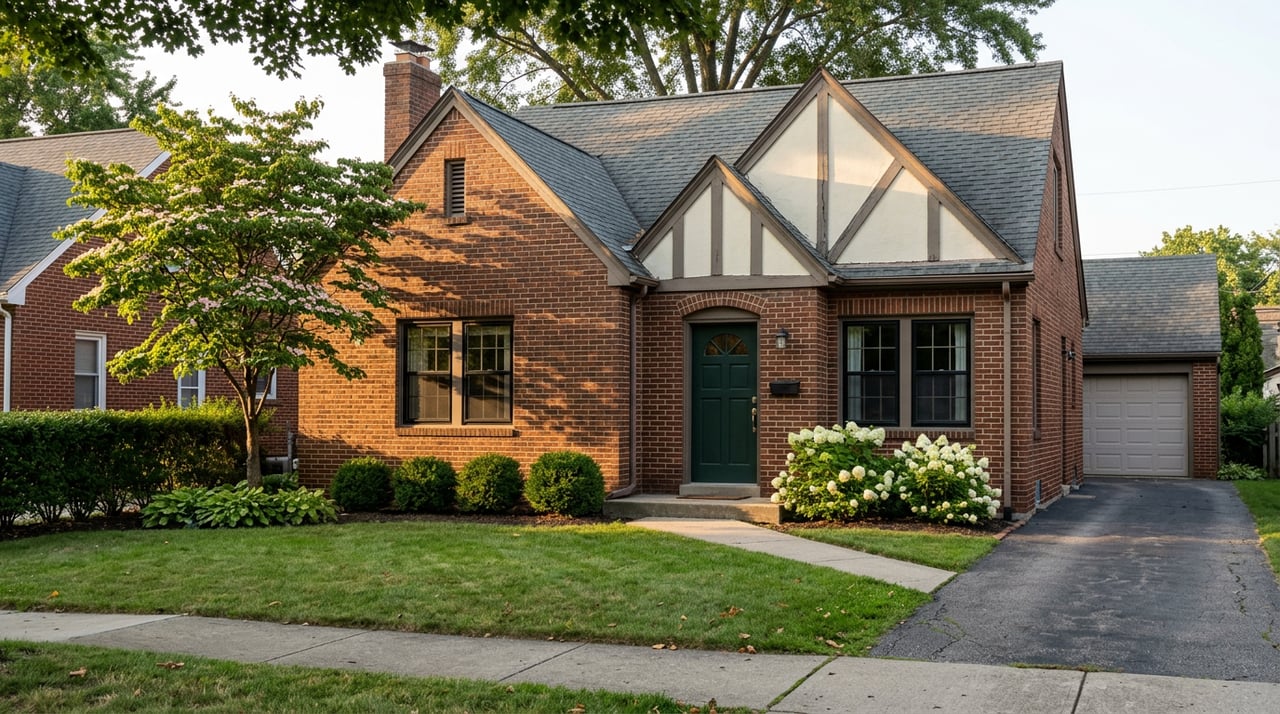
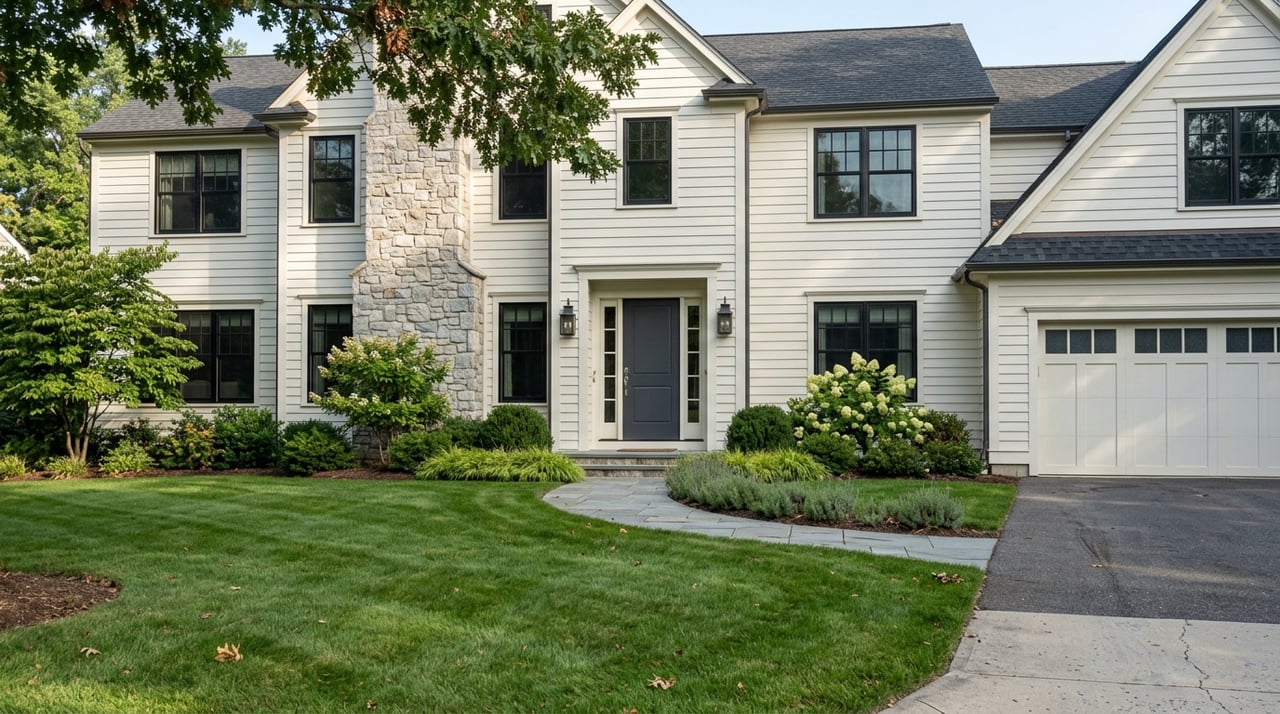
Style, condition, and location all affect pricing in Whitestone. Detached homes with private outdoor space are a major draw, which supports strong demand. Curb appeal features like Tudor masonry or Colonial symmetry can attract buyers, while updated systems and modern kitchens and baths often improve offer strength.
On newer construction or post-rebuild homes, property taxes and assessments can be higher. Review tax details with the Department of Finance as part of your budgeting and negotiation plan. For any property, permit history and quality of work documented at the Department of Buildings can support buyer confidence and a smoother closing.
Choosing the right Whitestone home is easier when you understand what you are looking at on the street and on paper. Whether you love the warmth of a Tudor, the classic lines of a Colonial, or the clean look of a modern build, we can help you weigh renovation potential, zoning feasibility, flood status, and market timing. Our team pairs neighborhood knowledge with high-quality listing presentation, including professional photography, staging, and video tours.
Ready to talk through your plans or want a pricing read on your home? Request a tailored consult with the Michelle Zhao Group and Request a Luxury Home Valuation.
Stay up to date on the latest real estate trends.

We pride ourselves in providing personalized solutions that bring our clients closer to their dream properties and enhance their long-term wealth.