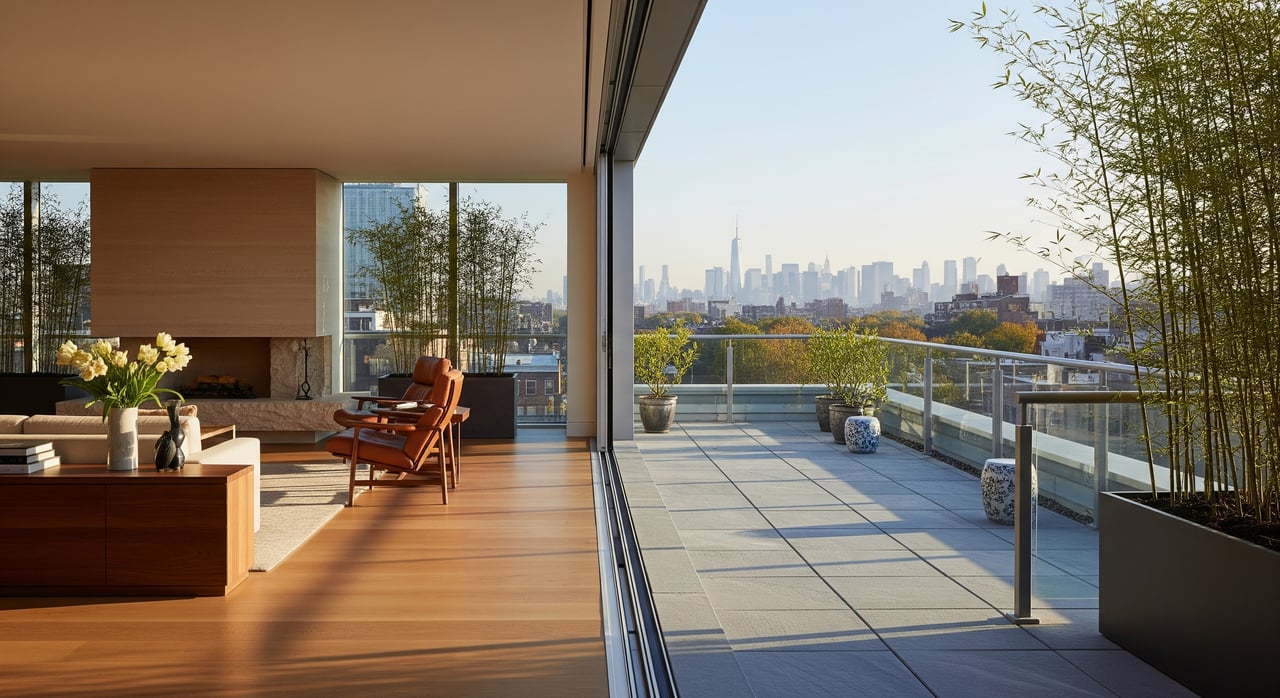
International Buyer Guide to Flushing Homes
January 8, 2026
January 8, 2026
Planning to buy a home in Flushing from abroad? You are not alone. Many international buyers are drawn to Flushing’s energy, diverse dining, and strong transit access. In this guide, you will learn how the NYC purchase process works for foreign nationals, what property types fit different goals, the costs and taxes to plan for, and how to avoid common pitfalls. Let’s dive in.
Flushing is a major commercial and cultural center in northern Queens with one of the largest Asian communities in New York City. You will find a vibrant Main Street corridor, everyday services, and destination dining.
The area offers easy access to city life and green space. You are near Flushing Meadows–Corona Park, Citi Field, the USTA Billie Jean King National Tennis Center, Queens Botanical Garden, and Queens College.
Transit is a key advantage. The 7 train terminus at Flushing–Main Street connects you to midtown Manhattan. Multiple bus routes and regional rail options nearby support commutes that often range from about 25 to 60 minutes, depending on service and destination.
Condos are a strong fit if you want fee simple ownership, relative flexibility on financing, and a simpler resale path. Expect monthly common charges and building rules, which vary by property.
Co-ops are common in Queens and can offer value, but they come with board approval, detailed financial disclosures, and rules on subletting. Timelines are often longer and requirements stricter for foreign buyers.
Multi-family homes can provide rental income potential but require local landlord knowledge and hands-on management. Townhouses and single-family options are less common near downtown Flushing and usually come with higher prices and maintenance responsibilities.
Cash purchases are common and can simplify underwriting and timing. If you want a mortgage, some U.S. banks and specialty lenders offer foreign-national loans. Expect higher down payments, potentially higher rates, and more documentation. Requirements for an ITIN or SSN vary by lender.
Before you make offers, consult lenders that work with foreign buyers to understand current programs and your budget.
NYC buyers typically pay attorney fees, title search and insurance, lender and appraisal fees if financing, building-related fees, and recording costs. Condos may be subject to a mortgage recording tax. New York State also imposes a mansion tax above certain price thresholds. Because rules change, have your attorney provide a personalized estimate and consult the NYC Department of Finance and the New York State Department of Taxation and Finance for current guidance.
Once you close, budget for ongoing property taxes, insurance, utilities, and either condo common charges or co-op maintenance.
Owning property does not grant immigration status. For immigration information, consult U.S. Citizenship and Immigration Services.
If you rent out your property, rental income is taxable in the U.S., and you may need an ITIN and annual filings. When you sell U.S. real property in the future, U.S. tax rules will apply to capital gains. Buyers and sellers should be aware of FIRPTA-related withholding when a seller is a foreign person. Review the IRS resources for foreign individuals and engage a cross-border tax advisor.
Order a title search and purchase title insurance to confirm your ownership will be clear of liens and encumbrances. Your attorney will also verify that your intended use aligns with local rules and building bylaws.
For condos, review the offering plan, bylaws, budgets, reserve funds, common charges, and any special assessments. For co-ops, examine board minutes, financial statements, the proprietary lease, maintenance breakdown, and any flip taxes. Look for stable reserves and manageable upcoming projects.
Confirm that the unit’s use matches the Certificate of Occupancy and that the building does not carry active violations. You can cross-check public records through the NYC Department of Buildings and NYC Housing Preservation and Development.
Arrange a professional inspection to assess mechanical systems, water intrusion risks, pests, and structural elements where applicable. If a lender is involved, you will need homeowners or condo unit insurance. Check whether the property lies in a flood zone using the FEMA Flood Map Service Center.
New York City enforces strict short-term rental regulations, and many buildings restrict or prohibit such rentals in their house rules. If you plan to rent, confirm policies before you buy and align your strategy with local law and building bylaws.
Buying in Flushing from abroad is achievable when you have clear steps, the right documents, and a local guide who understands international buyers. If you are exploring condos, co-ops, or multi-family options in north Queens, connect with a team that speaks your language, respects your timeline, and knows how to navigate NYC details from contract to close. Reach out to Michelle Zhao to start a focused Flushing search and move forward with confidence.
Stay up to date on the latest real estate trends.
We pride ourselves in providing personalized solutions that bring our clients closer to their dream properties and enhance their long-term wealth.