Living In Whitestone, Queens: Waterfront, Homes, Lifestyle
February 5, 2026
February 5, 2026
Thinking about a quieter corner of Queens where you can still enjoy the water and stay connected to the city? Whitestone offers a suburban-in-the-city feel that many buyers want today. You get tree-lined streets, single-family homes, and a shoreline lifestyle that is rare inside NYC. In this guide, you’ll learn how Whitestone lives day to day, what types of homes you’ll find, how commuting works, and the key ownership basics to know near the water. Let’s dive in.
Whitestone sits at the northern edge of Queens along the East River and Little Neck Bay. It is bordered by Bayside to the east and Flushing to the south and west. Streets feel residential and low density, with many detached homes and private yards. For a broader planning context, see the NYC Department of City Planning’s profile for Queens Community District 7.
The neighborhood is known for its suburban character. You’ll notice fewer large apartment buildings, fewer late-night venues, and a lifestyle that leans toward parks, yards, and the waterfront. Many residents own cars, and local retail strips cover daily needs.
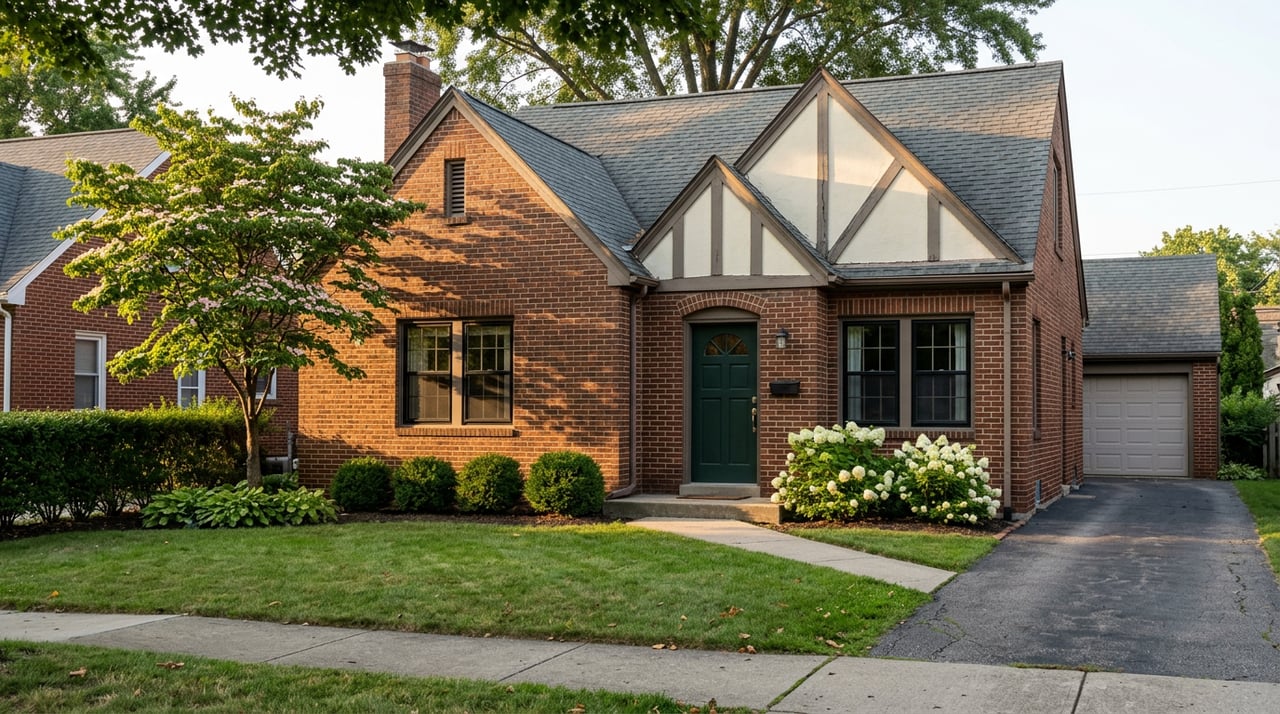
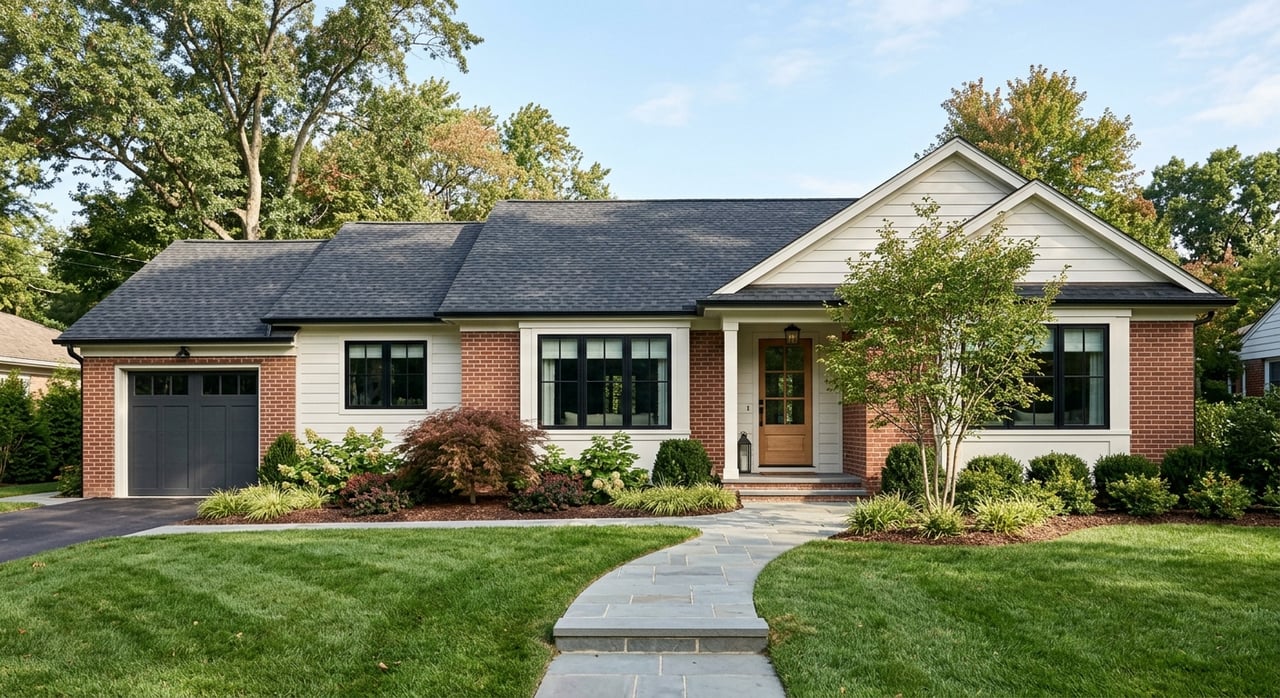
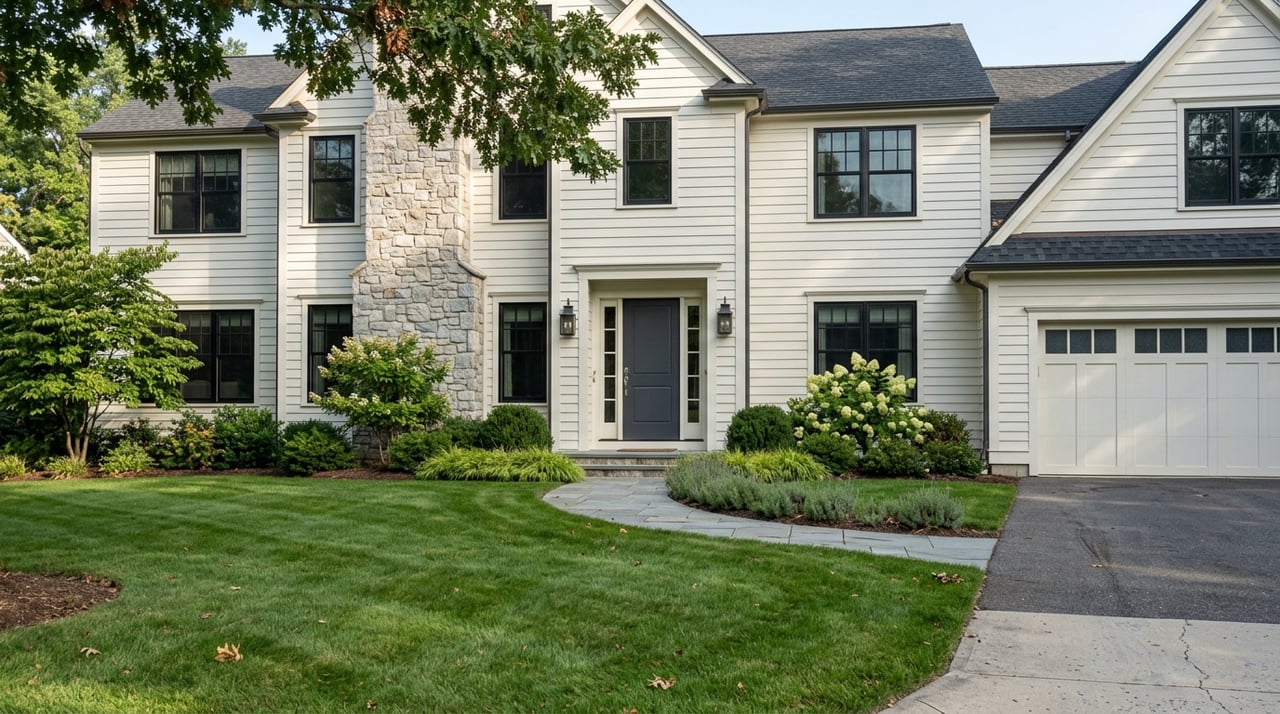
Most Whitestone properties are single-family houses, including Colonials, Tudors, ranches, and mid-century masonry homes. You will also find some semi-attached houses and small multi-family buildings along busier corridors. High-rise condos are uncommon here, and there is a short supply of new, urban-style condo inventory.
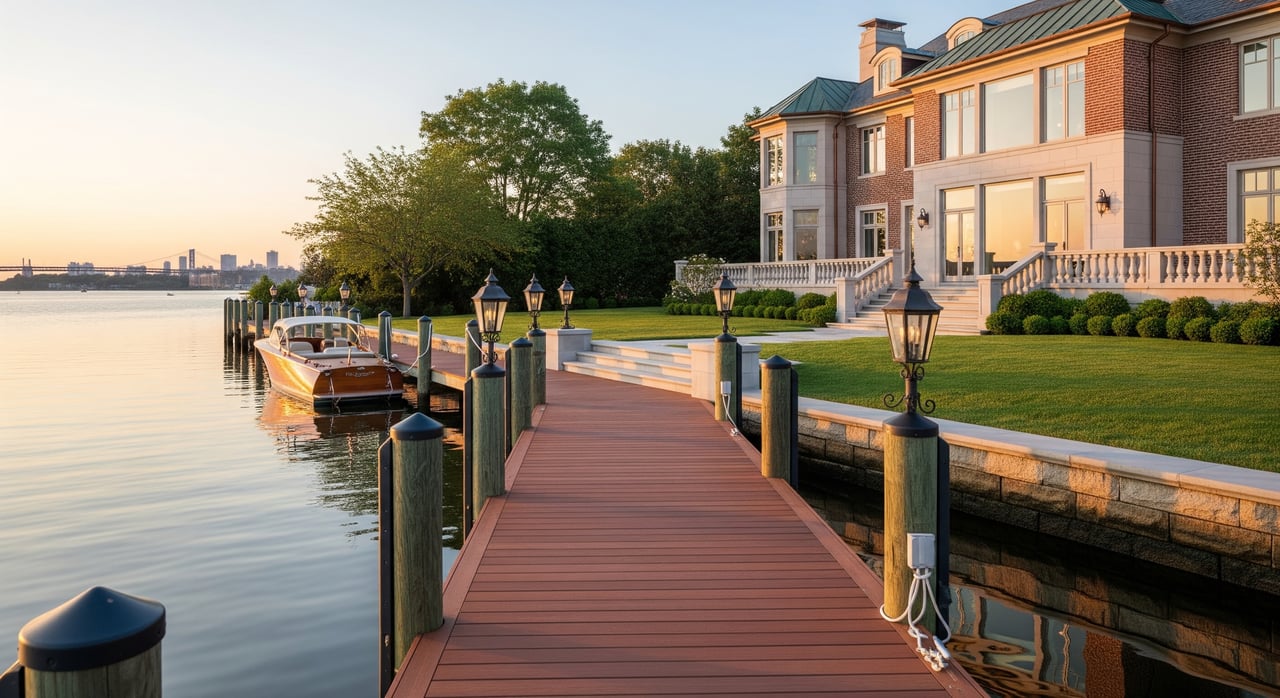
Waterfront and near-water homes are part of the mix in select pockets. Some properties have private docks or bulkheads, which are limited and command a premium. Homeownership rates tend to be higher than in more central Queens neighborhoods, so you’ll often see longer ownership timelines and well-kept blocks.
Whitestone’s shoreline supports boating, kayaking in calmer waters, and shoreline fishing. Access is a blend of private property, small marinas, and membership-based boat or yacht clubs. Public parks and playgrounds across north Queens complement the local recreational scene, and you can explore citywide facilities through NYC Parks.
If you are a boater, confirm how you’ll access the water. Some marinas have waiting lists and specific rules about slip transferability, seasonal access, and member requirements. If your property has a dock, you will want to know the maintenance history and any shared agreements with neighbors.
Parts of Whitestone fall into FEMA-designated coastal flood zones. Before you bid on a home near the shoreline, check your risk on the FEMA Flood Map Service Center and the city’s NYC Flood Hazard Mapper. If a property is inside a Special Flood Hazard Area, your lender may require flood insurance. Ask for any elevation certificate and the history of past storm impacts.
Bulkhead and dock upkeep can be significant. Confirm who owns the structure, when it was last repaired, and whether permits were filed. Shoreline work may need approvals from state or federal agencies. Build a long-term maintenance budget that includes these elements in addition to standard systems like roofing, HVAC, and drainage.
Whitestone does not have a subway station. Most residents rely on local and express buses, driving, or nearby Long Island Rail Road options. Express buses serve Manhattan during peak periods, and local routes connect to Flushing, Bayside, and other Queens corridors. For current routes and travel times, use the MTA bus maps.
If you prefer rail, nearby LIRR stations in adjacent neighborhoods provide service to Manhattan terminals. Check the latest schedules and travel times on the LIRR schedules page. Driving options include the Whitestone Bridge and Throgs Neck Bridge to reach the Bronx and Manhattan highways. Commute time varies with traffic and weather, so plan a few test runs if commuting by car.
Public school assignments in Whitestone follow NYC Department of Education zoning. Always verify the correct school for a specific address using the NYC Department of Education school lookup. North Queens also offers private and parochial options. Because program offerings and ratings change, review the latest school reports and visit schools that fit your needs.
Daily shopping is found along neighborhood commercial strips, with groceries, pharmacies, banks, and restaurants. For larger retail or specialty goods, many residents head to nearby Flushing or Bayside. Healthcare options include local primary care and urgent care, with hospitals and specialists a short drive away across Queens and northern Manhattan or the Bronx.
Residents often view Whitestone as lower density and quieter than busier hubs, and many point to a calmer feel on local blocks. Crime levels change over time, so check recent trends for the relevant precinct using NYPD CompStat crime statistics.
Property taxes follow NYC schedules. You can explore assessments and exemptions on the NYC Department of Finance property taxes page. For renovations, additions, or any dock and bulkhead work, verify prior permits and Certificates of Occupancy with the NYC Department of Buildings. If you plan to rely on street parking, review local rules through NYC DOT resources and watch posted signs on your block.
Choose Whitestone if you value a suburban feel within New York City, want a single-family home, and like easy access to the water. You’ll trade walk-to-everything convenience for more space and quieter streets. If your lifestyle includes boating, yard time, and neighborhood dining, Whitestone can be a great fit. If you need daily subway access or late-night amenities, consider how close you want to be to Flushing or to LIRR stations in adjacent neighborhoods.
Thinking about buying or selling in Whitestone or nearby north Queens? You deserve data-driven guidance and standout presentation. The Michelle Zhao Group pairs neighborhood expertise with professional staging, photography, and video to position your home for top results, and we offer bilingual support for international buyers and sellers. Ready to explore your next move or get a precise home value? Connect with Michelle Zhao today.
Stay up to date on the latest real estate trends.

We pride ourselves in providing personalized solutions that bring our clients closer to their dream properties and enhance their long-term wealth.