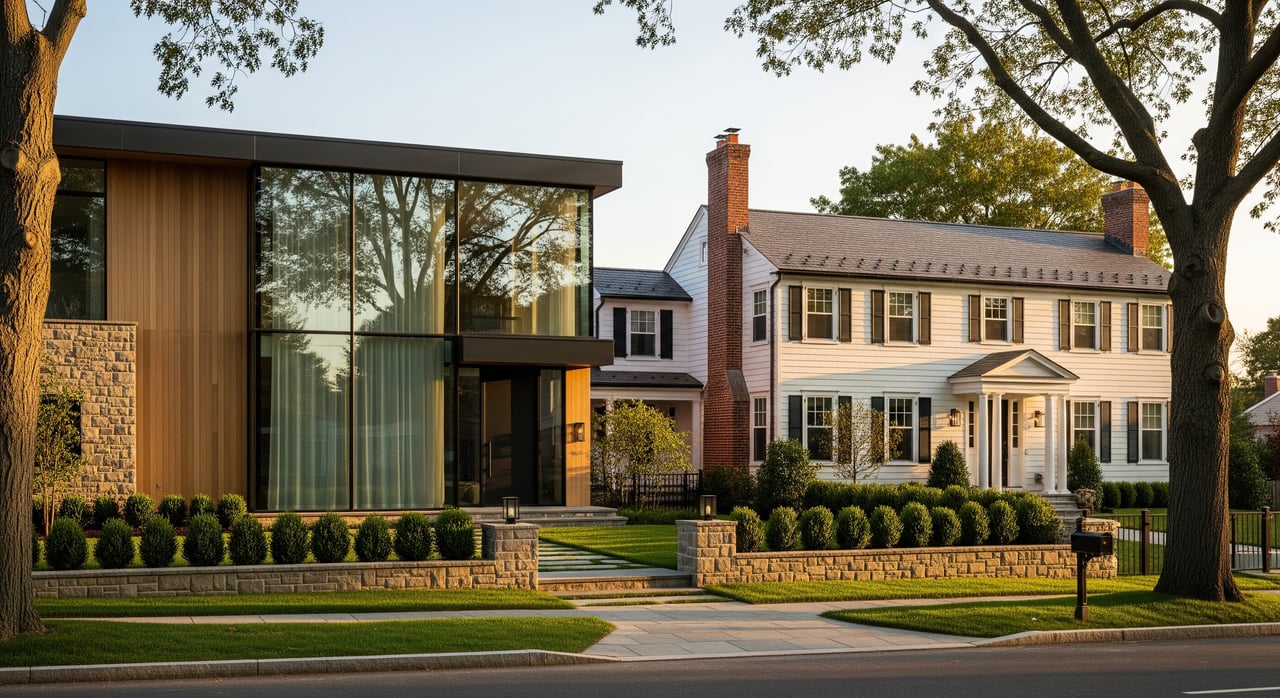
New Construction vs Resale in Syosset
December 11, 2025
December 11, 2025
Torn between a brand-new build and a resale home in Syosset? You are not alone. Many Long Island buyers weigh modern features and warranties against established neighborhoods and quicker timelines. In this guide, you will learn how costs, financing, timelines, taxes, and resale value compare in Syosset so you can make a confident choice. Let’s dive in.
Syosset sits in Nassau County on Long Island’s North Shore, with commuter access to New York City by Long Island Rail Road and major parkways. Many buyers also prioritize living within the Syosset Central School District, which shapes demand and pricing. The housing stock mixes established single-family homes with infill new construction and teardowns, but large new subdivisions are limited. Property taxes in Nassau County are relatively high compared with national averages, so carrying costs are a key part of any decision.
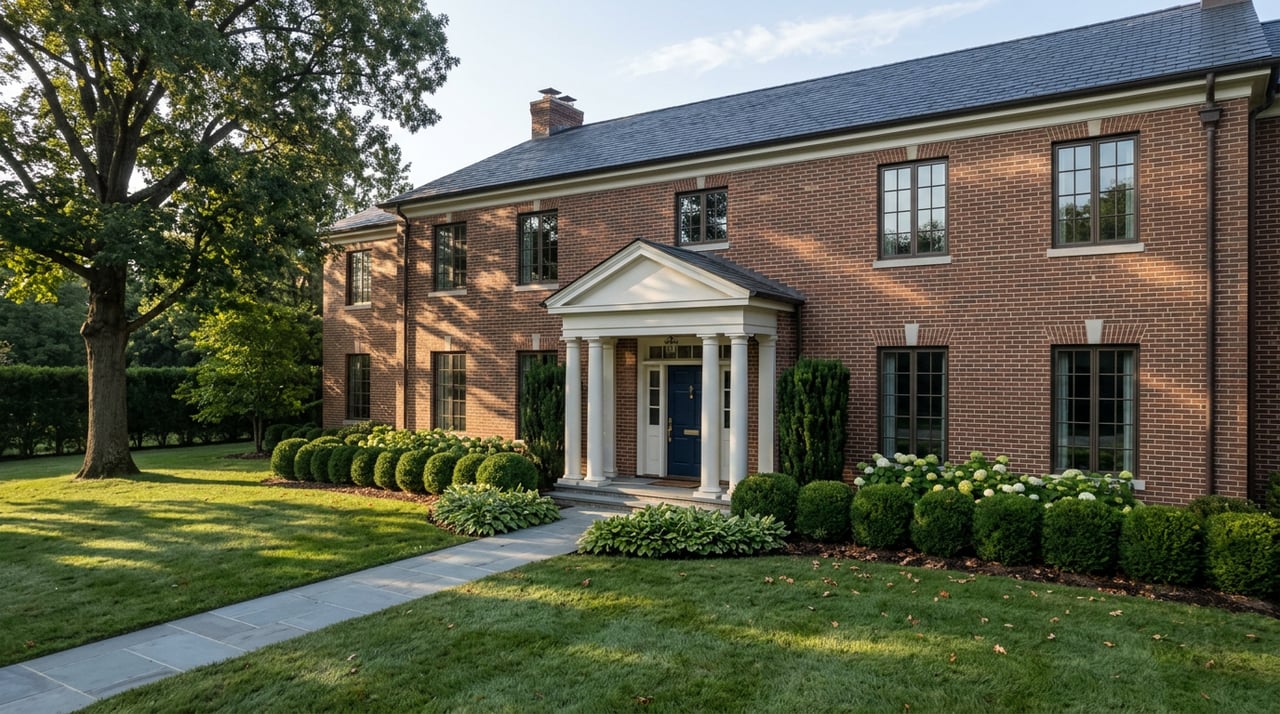
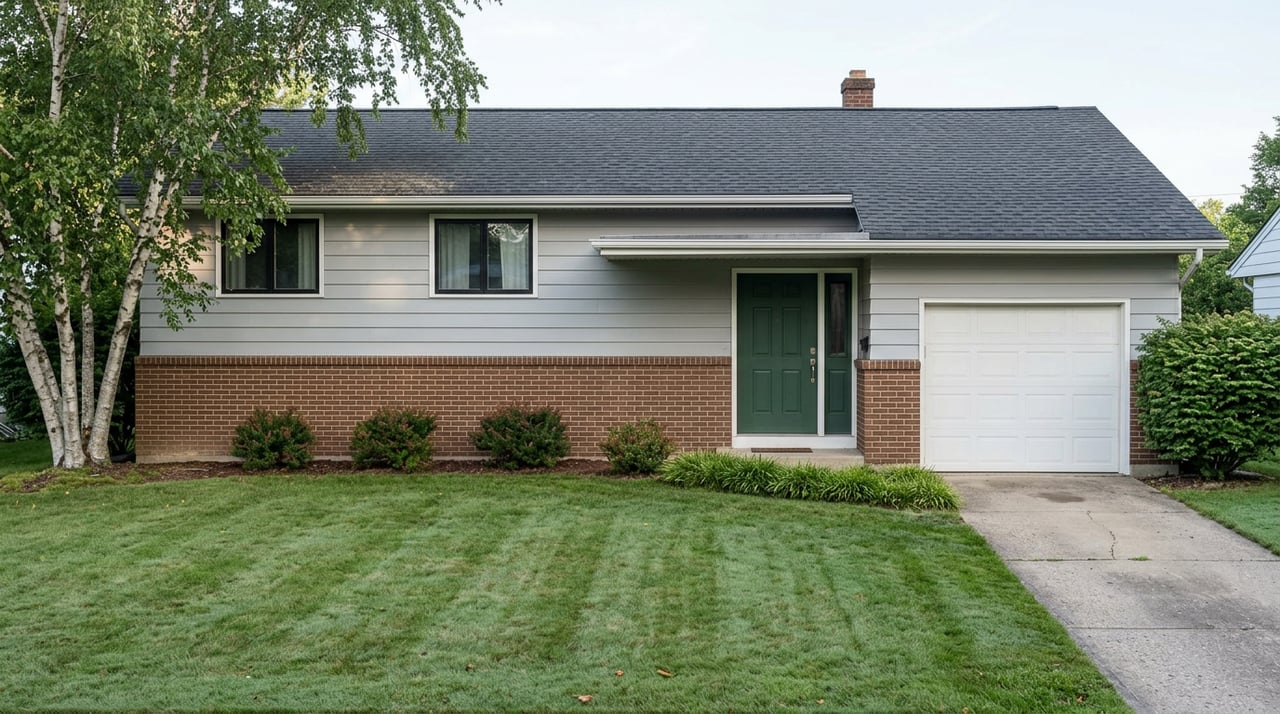
New construction often lists higher on a price-per-square-foot basis because you get modern systems, energy-efficient materials, and current-code construction. Builders may offer incentives that change the net cost, such as closing-cost credits, upgrade packages, or mortgage-rate buydowns. Resale homes can present more room for negotiation depending on condition and days on market, but you should budget for near-term updates like roofs, windows, HVAC, or kitchen and bath improvements.
Resale purchases typically use standard mortgages, including conventional options and other common loan programs. Timelines are usually shorter because the home is complete. New construction may require a construction-to-permanent loan with interest-only draws during the build, more inspections, and a different closing sequence. Some builders coordinate preferred lender programs. Expect more paperwork and a longer path to the finish line with a new build.
Appraisers rely on recent comparable sales. A new home in a neighborhood of older homes can appraise at a premium if size and features warrant it. If few recent new builds exist nearby, the appraiser may be constrained by the available comp set, which can affect loan approval. For resale homes, well-documented upgrades and recent neighborhood sales help support pricing.
New construction commonly includes a builder warranty, often one year on workmanship and longer on certain structural elements. Coverage and claim procedures vary by builder and contract, so review details carefully. Resale purchases do not come with a builder warranty. Your protection comes from inspections, seller disclosures, and negotiation for repairs or credits.
Resale homes typically close within 30 to 60 days after contract acceptance, subject to inspections and financing. New construction can take several months to more than a year, depending on permit timing, build stage, weather, labor, and materials. Builder contracts may limit remedies for delays, so understand your rights and expectations before you sign.
For new construction, you may have opportunities for pre-drywall or staged inspections, a final walkthrough, and a punch-list process under warranty. Municipal inspections occur at key phases. Verify what the builder allows and when. For resale homes, you will arrange a full home inspection and any specialty inspections as needed, then negotiate repairs or credits based on findings.
Syosset is within local planning and zoning rules that govern setbacks, lot coverage, and floor area. Teardowns, additions, and new construction require permits and town approvals. For each property, verify sewer or septic status, water connections, and any easements. Review FEMA flood maps if a home is near flood-prone areas, since insurance requirements and construction rules can change by zone.
Some new subdivisions have homeowners associations with design standards, maintenance of shared spaces, and monthly or quarterly dues. Many resale homes in established neighborhoods do not have an HOA. HOA fees are a recurring cost and rules can influence renovation plans, so review documents early.
Access to the Long Island Rail Road and major highways is important to many Syosset buyers who commute to New York City or other regional employment centers. Consider how far a property sits from the station and key roadways. Proximity to parks, shopping, and medical facilities within Nassau County can also be a deciding factor.
Syosset offers a range of lot sizes. Some buyers prefer larger yards and established streetscapes, while others prioritize a new home’s modern layout and finishes. Infill development and teardowns do happen, which can reset neighborhood comparables over time. If you are planning a new build, make sure the home’s size and design align with neighborhood norms to protect future resale appeal.
Consider these practical scenarios:
Nassau County property taxes are a major component of monthly costs. Buyers should ask how a new build or recent renovation could affect assessed value after completion. Investigate any exemptions that may apply to your household. Insurance premiums vary by location, construction type, and system age. If a property is in a mapped flood zone, you may need flood insurance. Newer homes built to current codes can reduce certain risks, but every property is unique, so verify the specifics before you commit.
Navigating new construction and resale in a mature market like Syosset takes local experience. You benefit when your agent can weigh incentives against taxes, assess neighborhood comparables, evaluate builder quality, and help you structure timelines that work for your move. Our team brings a high-touch, presentation-first approach for sellers and clear, step-by-step guidance for buyers so you can move forward with certainty.
Ready to compare real options, not hypotheticals? Reach out to Michelle Zhao to discuss neighborhoods, timing, and the best path for your goals. Request a Luxury Home Valuation or a buyer strategy session and get a plan tailored to you.
Stay up to date on the latest real estate trends.
We pride ourselves in providing personalized solutions that bring our clients closer to their dream properties and enhance their long-term wealth.