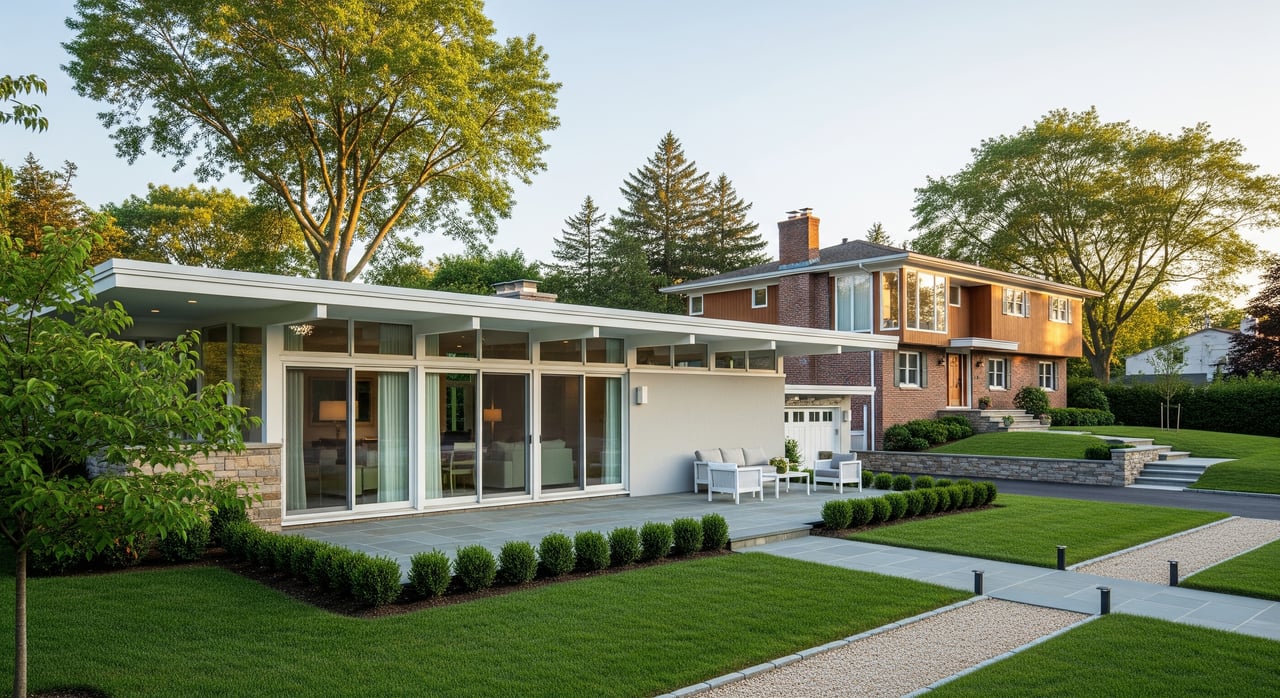
Plainview Ranch vs Split-Level: How to Choose
January 15, 2026
January 15, 2026
Thinking about a ranch or a split-level in Plainview and not sure which fits your life? You are not alone. Both styles are common in this Long Island hamlet, and each offers smart advantages depending on how you live, commute, and plan to renovate. In this guide, you will learn the real differences, Plainview-specific pros and cons, and simple checklists to help you move forward with confidence. Let’s dive in.
Plainview sits in the Town of Oyster Bay in Nassau County with quick access to the Long Island Expressway and Northern State Parkway. Many buyers also factor in the nearby Hicksville and Syosset LIRR stations when weighing commute time. These details often matter more than the style itself if you split days between Long Island and NYC. Keep commute patterns in mind as you compare floor plans.
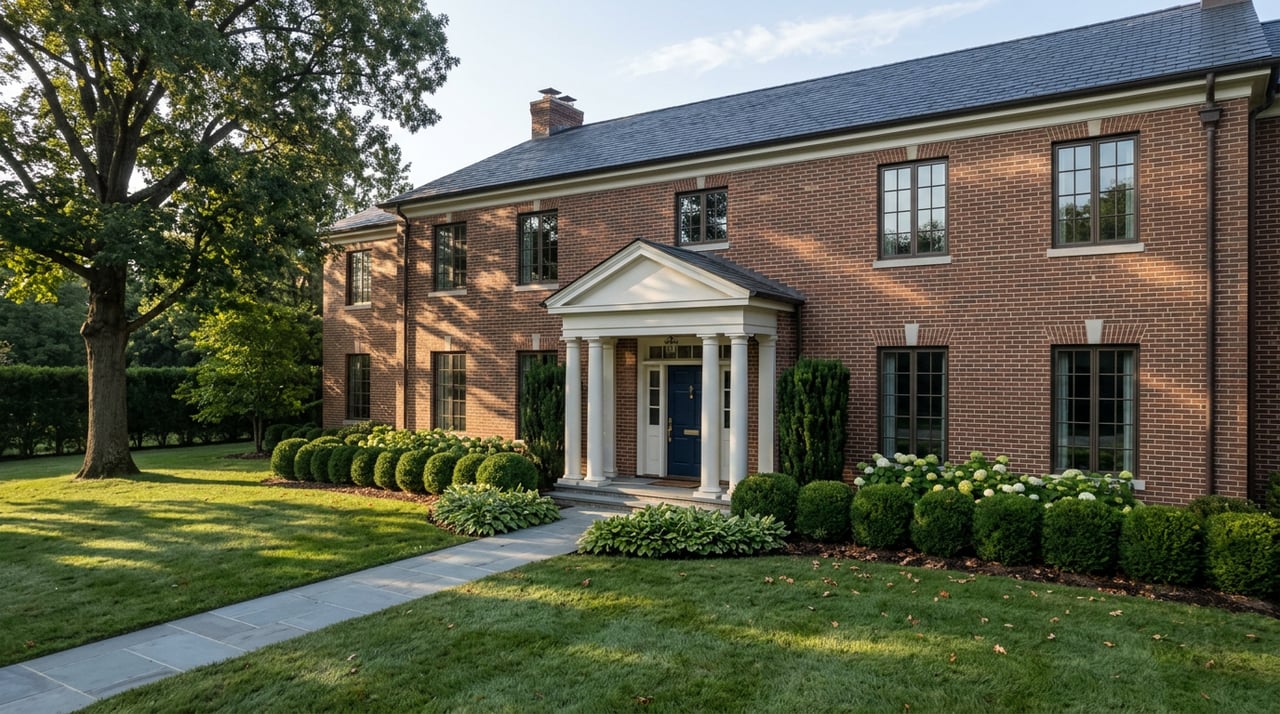
Much of Plainview’s housing was built from the post-war period through the 1970s. That is why you see a strong mix of ranches and split-levels, along with some colonials and expanded homes. Many of these properties have been updated or expanded over time, which makes condition and layout more important than just the style label. Your goal is to match the layout to your daily routine and long-term plans.
A ranch places all primary living spaces on a single level. Bedrooms, kitchen, dining, and living areas are on the same floor, often with a full basement or crawlspace below. Ranch footprints can be compact or expanded, and they are easier to reconfigure for an open plan. If single-floor living is a priority, a ranch makes it simple.
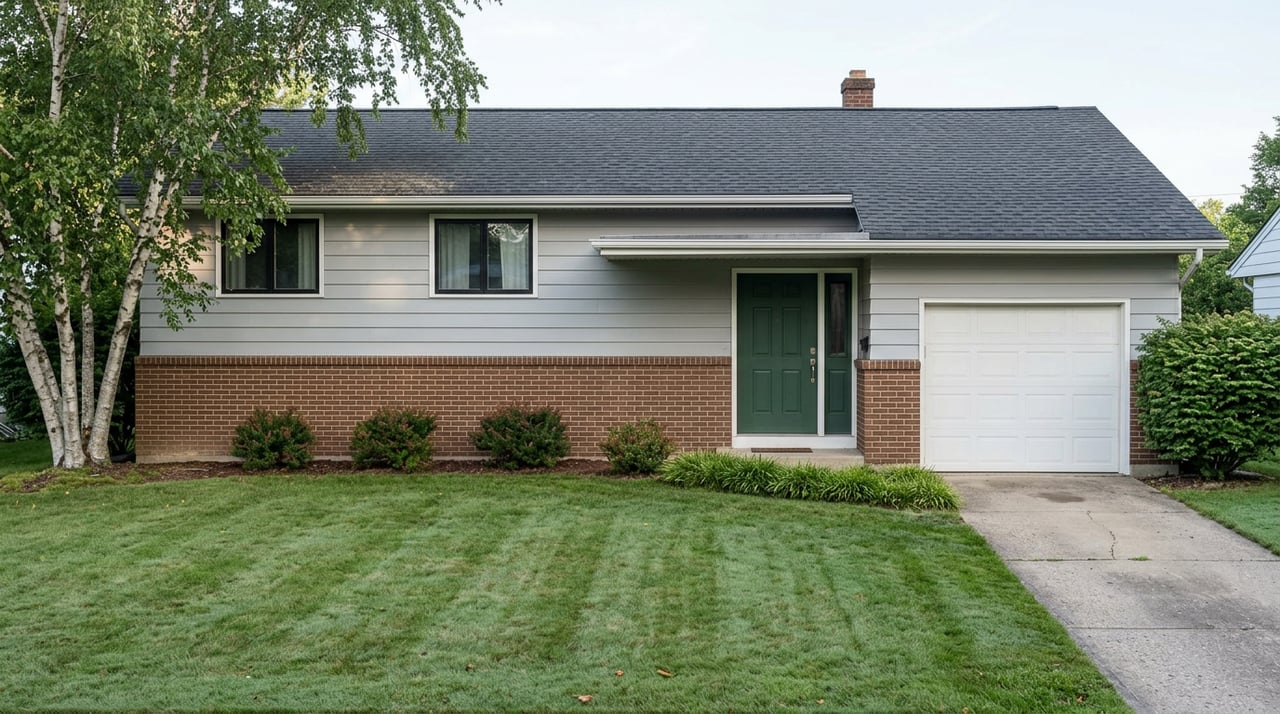
A split-level uses staggered floors connected by short runs of stairs. You might enter on a mid-level, then go up to bedrooms and down to a family room or garage. Some layouts are bi-level, also called raised ranch, while others have multiple splits common to mid-century suburbs. This style separates zones for living, sleeping, and utility without a full two-story footprint.
Single-story living often appeals to buyers who value ease of movement, simple circulation, and future aging-in-place options. In Plainview, many ranches sit on moderate lots, so it is important to confirm if there is room to expand or if zoning will limit a future addition. If you expect multi-generational visits or frequent guests who prefer minimal stairs, a ranch layout may be a better fit.
Buyers who want distinct zones and efficient use of space often prefer split-levels. The lower-level family room can be set up for an office, media, or play area that feels separate from bedrooms. If you want usable square footage without increasing your home’s footprint, a split-level layout is a strong option.
Plainview is served by local school districts, which can vary by address. Buyers often weigh yard size and access to parks and retail alongside commute time. These lifestyle factors usually drive decisions more than style alone, so weigh them carefully as you compare homes.
Think about the likely buyer pool in the specific neighborhood. If nearby streets attract downsizers, a well-updated ranch with single-floor convenience can be highly competitive. If the area draws growing households, a split-level with a finished lower level might stand out. Condition, permitted improvements, and layout flow will influence value more than the label ranch or split-level.
You can position either style to capture attention. For ranches, highlight single-floor living, updated kitchens and baths, and any accessible features. For split-levels, stage the lower-level as a bright, code-compliant living space that expands daily function. In both cases, a clear story about flow, storage, and parking, plus known permits, helps buyers see value fast.
Adding square footage to a ranch is a common upgrade path in Plainview. Horizontal additions can reduce yard space and may be limited by setbacks or lot coverage rules. Vertical additions and major structural changes can trigger additional code requirements and will require proper plans and permits. Consult the Town of Oyster Bay Building Department early, especially if you plan a dormer, rear addition, or second story.
Many owners finish or refresh the lower-level family area to maximize usable space. Adding egress windows, ensuring proper ceiling height, and extending heating and cooling make the space more functional and attractive. Because of the staggered levels, structural changes to create wide-open rooms can be more complex, so budget extra time and engineering.
Plainview properties are subject to local zoning setbacks, lot coverage limits, and permitting for interior and exterior work. Confirm the status of prior improvements, especially finished basements, decks, and additions. Unresolved permitting can slow a closing, so verify early in your process.
Plan for due diligence on roofs, HVAC, electrical, and plumbing systems. Some older homes may still have undersized electrical panels or legacy wiring, older HVAC components, or galvanized piping. Windows and insulation may be due for upgrades, and ventilation should be checked to avoid moisture issues.
Water management is a key concern for mid-century homes on Long Island soils. Look for signs of water intrusion and confirm the presence of sump pumps or perimeter drains where needed. In split-levels, pay special attention to lower levels and garage-adjacent spaces. Ask about grading, gutters, and downspout extensions that move water away from the foundation.
Improving insulation, air sealing, and HVAC efficiency can reduce operating costs over time. Check the age and efficiency of the water heater, duct insulation, and whether programmable or smart thermostats are installed. Energy-focused updates can add comfort to either style, especially if you plan to be in the home for several years.
Ranches are often easier and less expensive to retrofit for universal access. You can add a zero-step entry, widen doorways, and convert a bathroom to a curbless shower more easily when everything sits on one level. If minimal stairs are a must, a ranch can simplify both daily life and future updates.
Accessibility in a split-level is possible, but it may require lifts or more extensive structural work. If you plan to host family members who prefer fewer stairs, consider handrails, improved lighting, and clear, slip-resistant treads. Weigh the cost of a lift or extensive reconfiguration against your timeline and budget.
Choose a ranch if single-floor living and easy accessibility are top priorities, or if you want the flexibility to open walls and create a large great room. Pick a split-level if you prefer defined zones, want bonus space without expanding the footprint, and do not mind short stair runs. In Plainview, the right choice usually reflects your life stage, daily routine, and plans for renovation more than the name of the style.
Your best outcome comes from matching layout to lifestyle and aligning upgrades with what buyers in your micro-neighborhood value. Plainview’s active market rewards homes with clear flow, functional bonus space, and verified permits. If you are comparing a ranch and a split-level today, walk each property like you already live there, then check the renovation and zoning path for your next few years.
Ready to move forward with confidence in Plainview? Get expert guidance on layout, staging, and renovation strategy from a local team that blends boutique service with proven results. Connect with Michelle Zhao Group to align the right home or sale plan with your goals. Reach out to Michelle Zhao to start a clear, step-by-step plan today.
Stay up to date on the latest real estate trends.
We pride ourselves in providing personalized solutions that bring our clients closer to their dream properties and enhance their long-term wealth.