
Relocating to Bayside: Commute, Homes, Lifestyle
December 25, 2025
December 25, 2025
If you want more space and calmer streets without losing access to Manhattan, Bayside in northeast Queens is worth a close look. You get a residential feel, tree-lined blocks, and local shops while still tapping into fast rail service to Midtown and the east side. In this guide, you’ll learn how the commute works, what kinds of homes you can expect, and what day-to-day life looks like, plus practical steps to make your move smooth. Let’s dive in.
Bayside sits along Little Neck Bay in northeastern Queens, bordered by Douglaston, Little Neck, Auburndale, and Bay Terrace. The neighborhood centers on Bell Boulevard and Northern Boulevard, where you’ll find restaurants, cafes, and services. Waterfront spots and marinas line the bay, and larger parks dot the area.
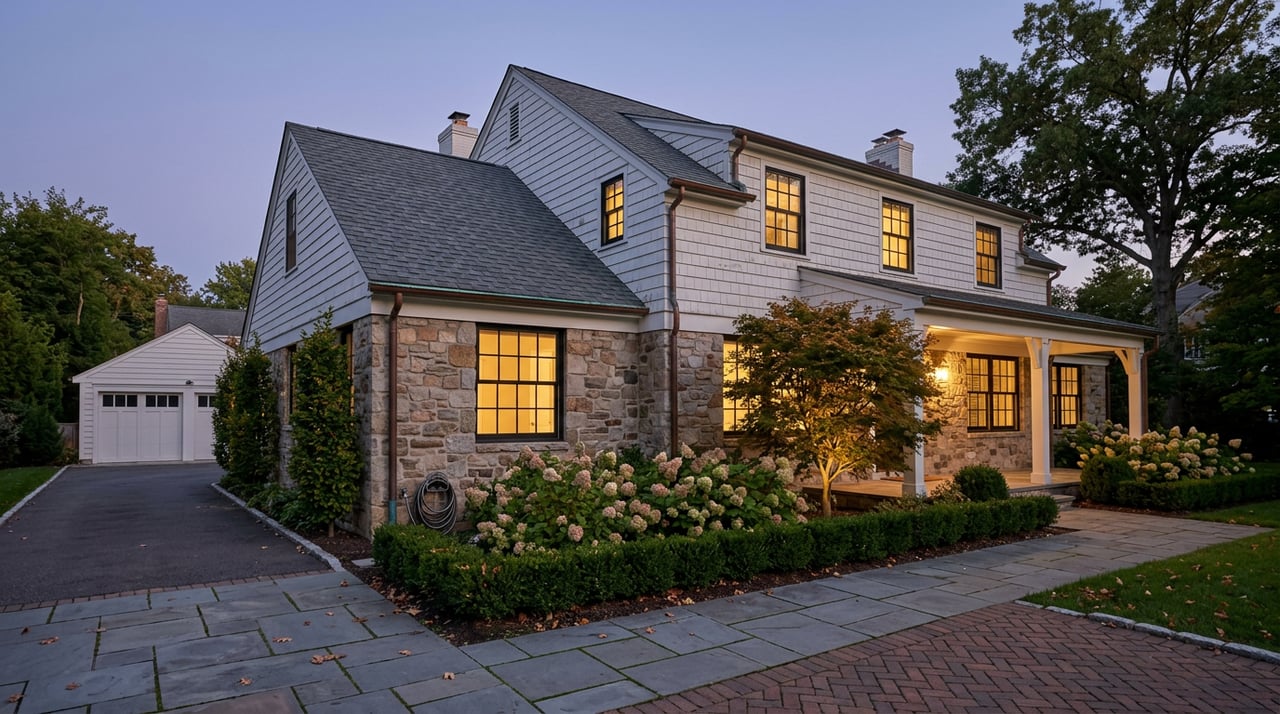
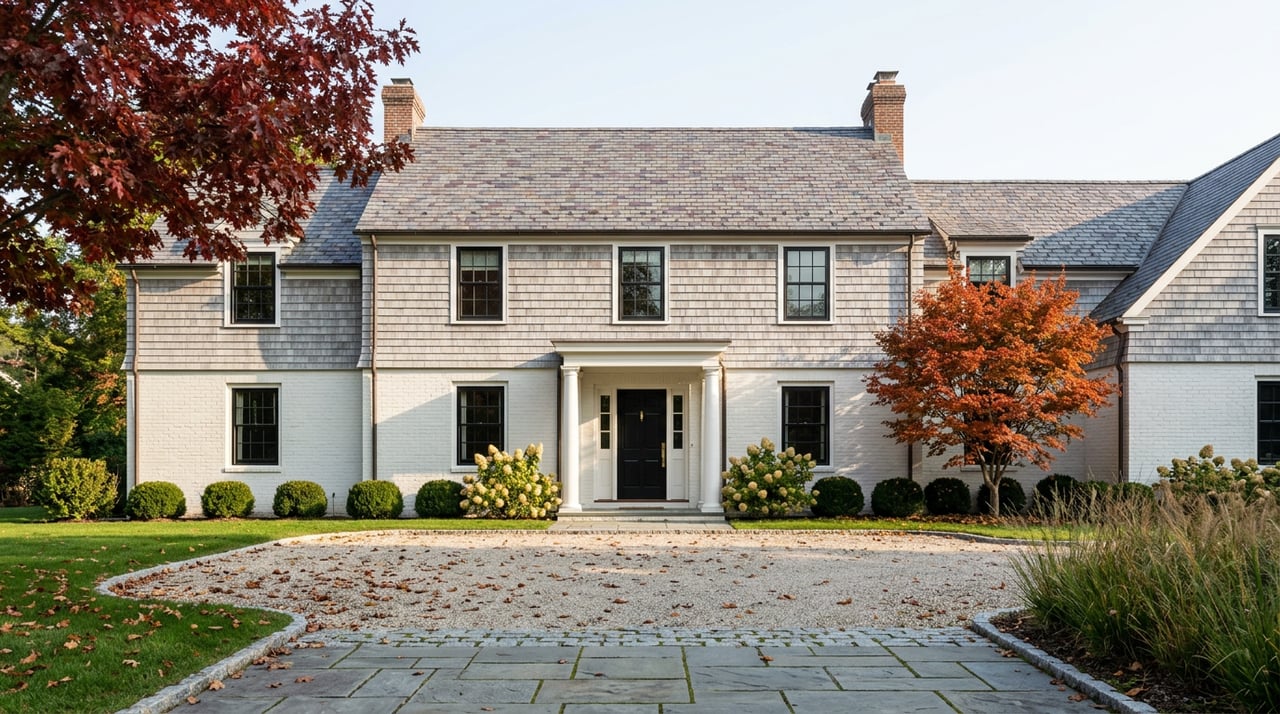
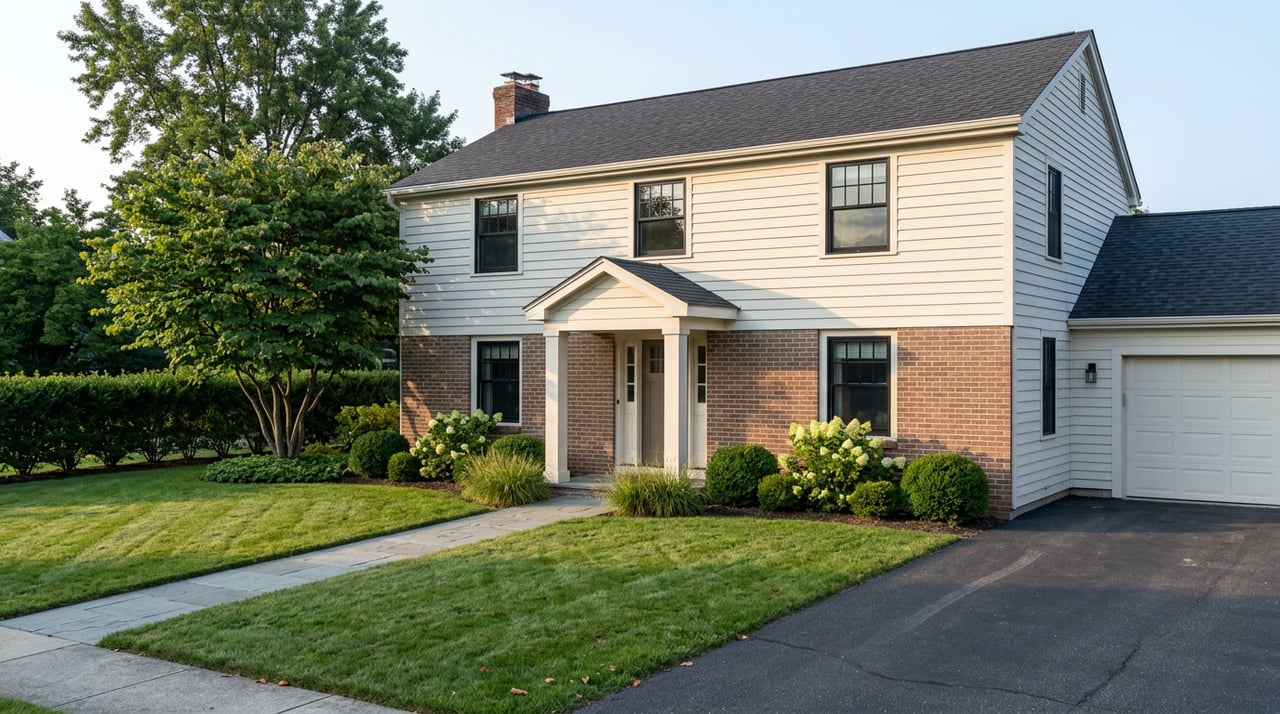
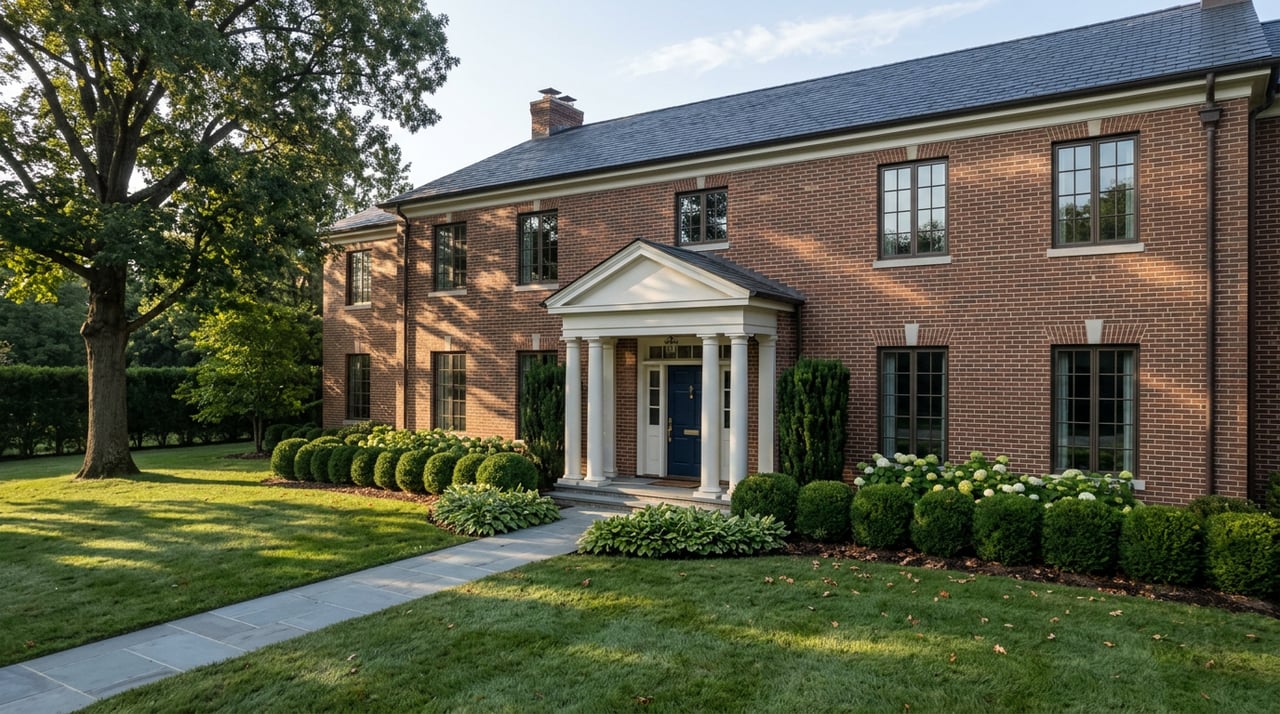
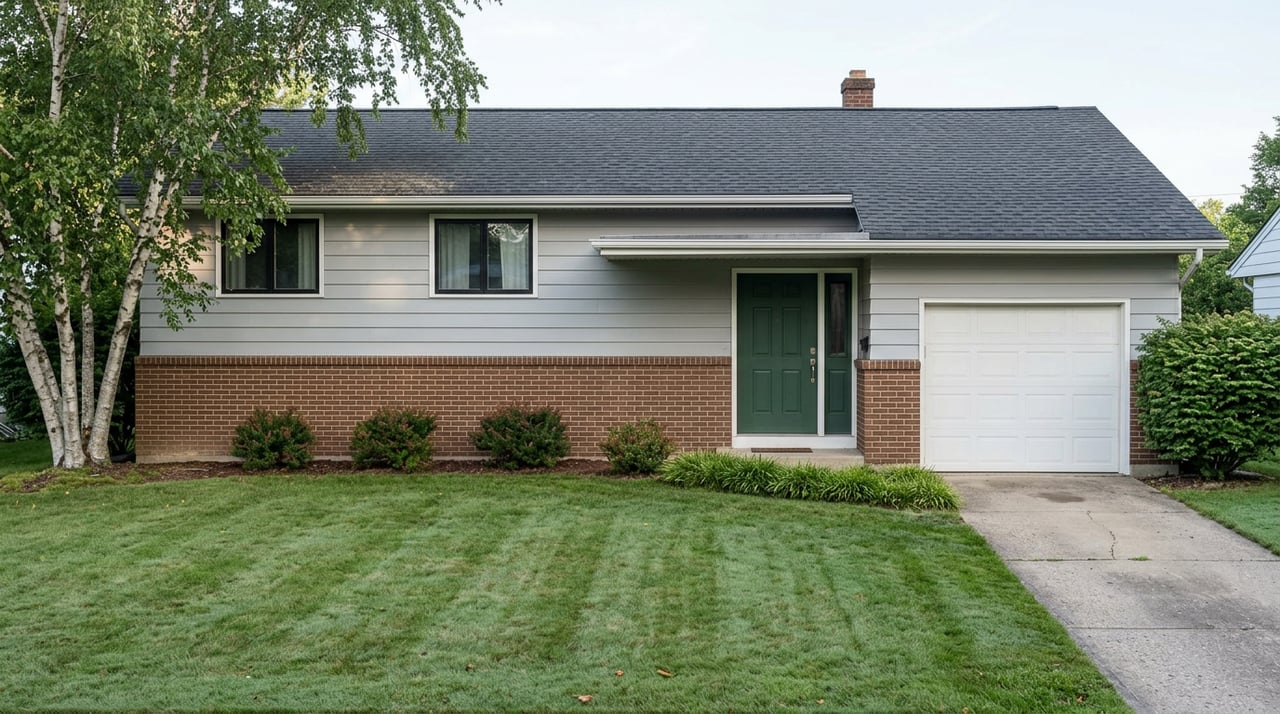
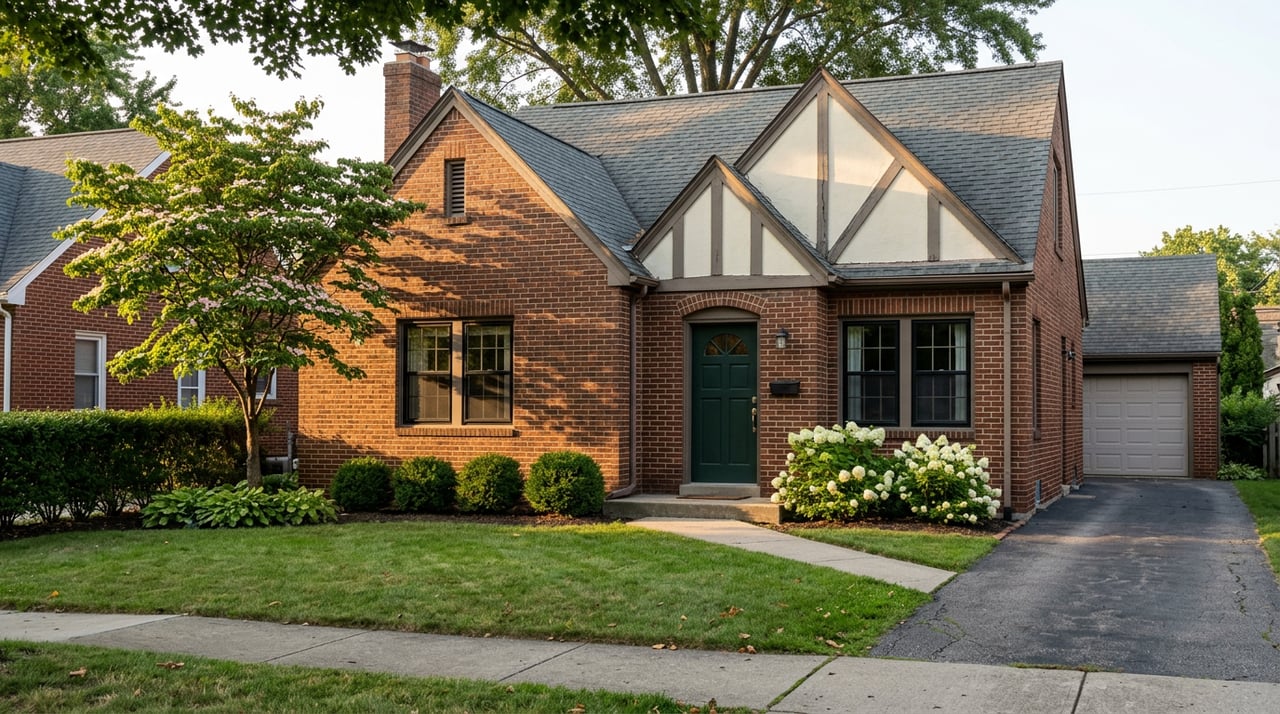
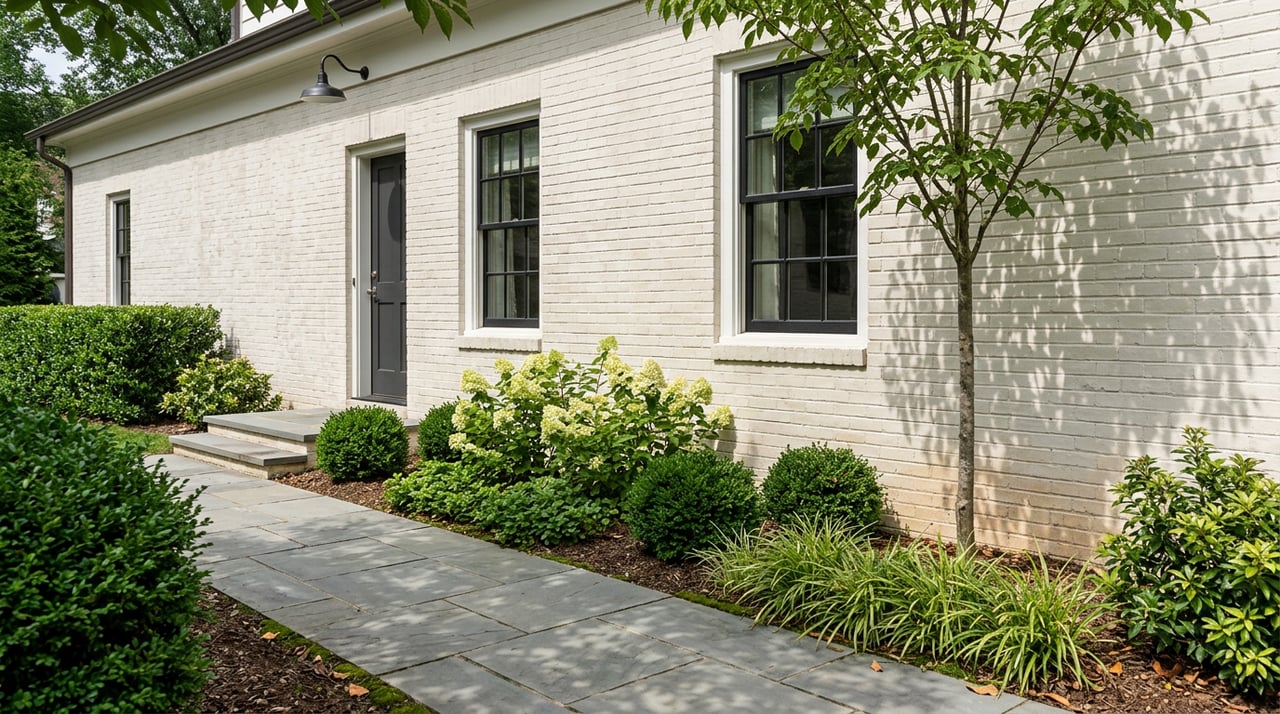
The housing mix leans low to mid density compared with central Queens. You’ll see single-family colonials, Tudors, ranches, small multifamily buildings, and garden-style condos or co-ops. Streets feel suburban in scale, with sidewalks and mature trees, yet you remain connected to the city’s transit network.
Bayside is on the Long Island Rail Road’s Port Washington Branch, served by the Bayside station. The LIRR is the fastest option for many commuters, especially during peak hours. With East Side Access open, you have direct LIRR service to Grand Central Terminal along with Penn Station, expanding your options to the east and west sides of Manhattan.
For current times and fares, check the official MTA Long Island Rail Road schedules. Timetables change by season and day of week, so confirm specific trains for your routine. In general, peak LIRR rides beat peak-hour driving to Midtown.
Local bus routes link Bayside to major subway lines in Flushing and other parts of Queens. You can review lines, stops, and frequencies on the official MTA bus maps and schedules. Express commuter buses also run from northeast Queens into Manhattan during rush hours. If you prefer subways, plan for a bus-to-subway transfer and check total door-to-door time.
If you drive, you have quick access to Northern Boulevard, the Cross Island Parkway, Grand Central Parkway, and the Long Island Expressway. These routes reach Manhattan, other Queens neighborhoods, and Nassau County. Travel times swing widely with traffic and time of day. Expect peak-hour trips to Midtown or Downtown to take longer than the LIRR.
LaGuardia is the closest airport by car. JFK sits farther south and is typically reached by car, shuttle, or by connecting to the AirTrain from southern Queens. If you travel often, Bayside’s quick access to parkways can be a plus.
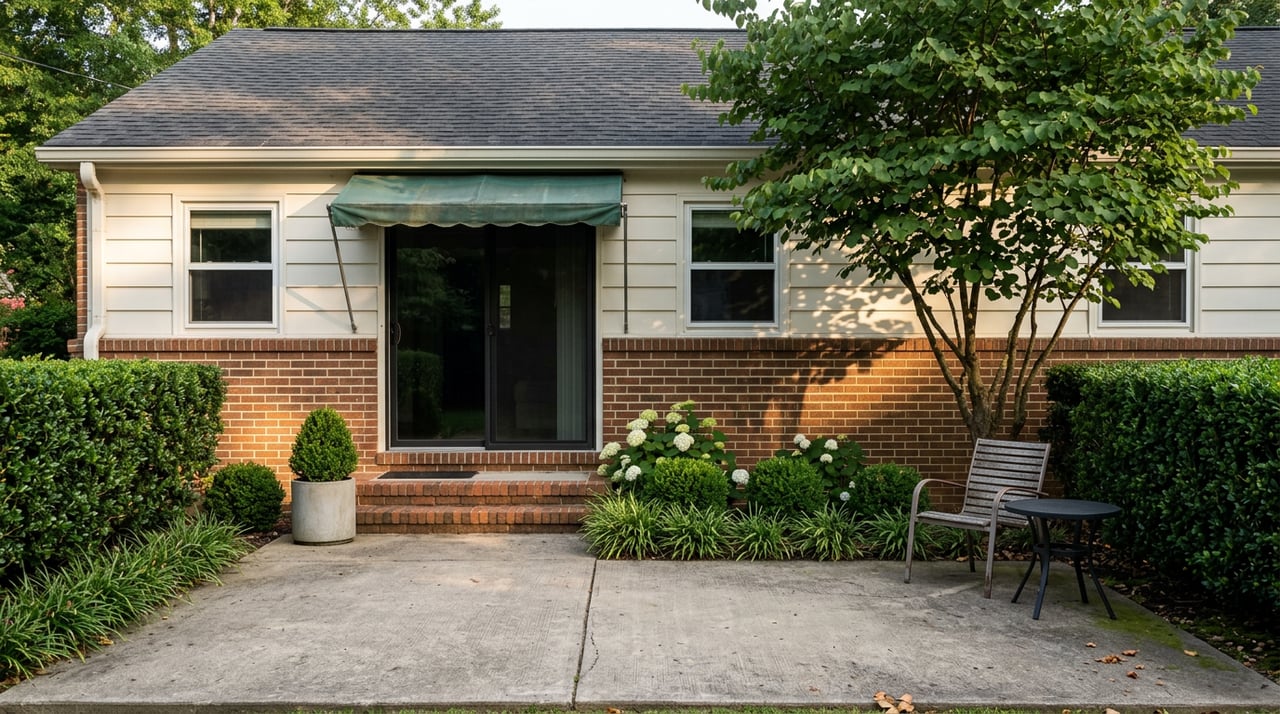
Bayside’s stock includes a high share of detached single-family homes on moderate lots, plus semi-detached houses, small apartment buildings, and condo/co-op developments near main corridors. Many homes date from the mid-20th century, and you’ll see architectural variety across colonials, Tudors, and ranches. Garden-style communities and pockets of mid-rise condos add to the mix.
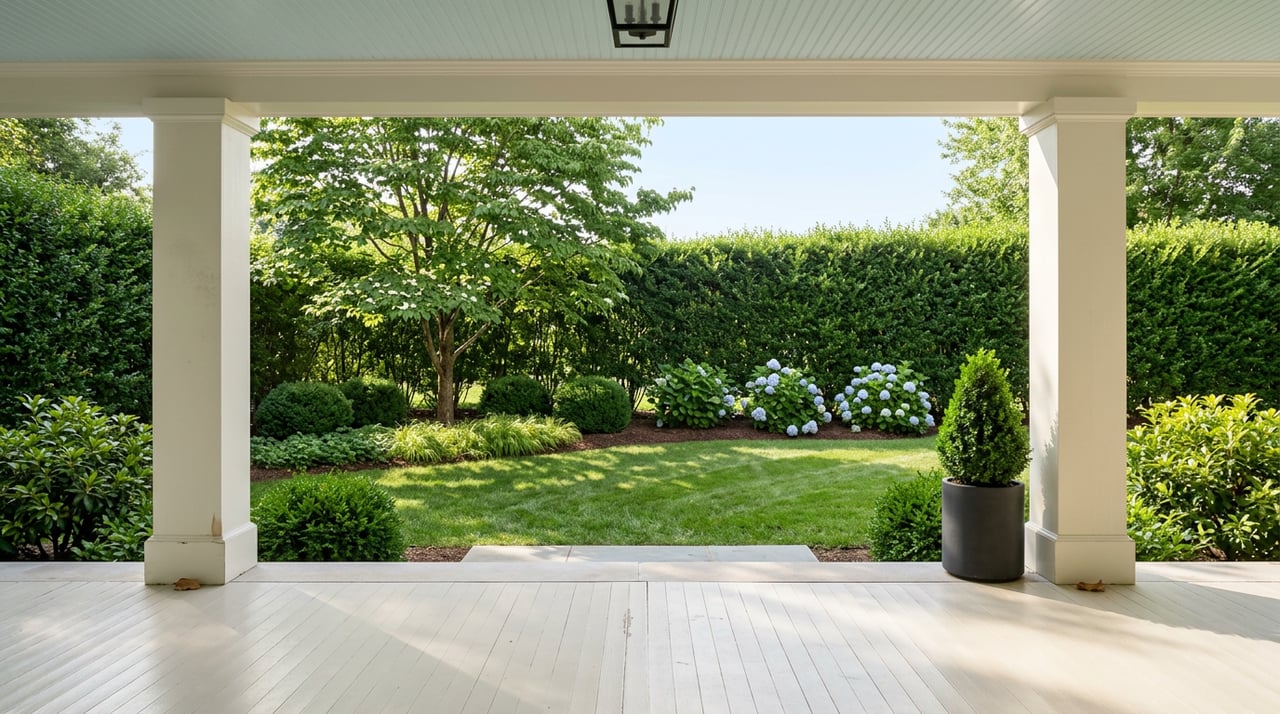
Buyers who want more space than central Queens often find extra bedrooms, basements, or yards here. If you plan to upsize, focus on lot size, on-site parking, and proximity to Bell Boulevard or the LIRR.
Ownership costs depend on your property type. Single-family owners budget for real estate taxes, insurance, and maintenance. Condo owners pay monthly common charges; co-op shareholders pay maintenance, board application fees, and must follow sublet rules.
Many Bayside buyers update kitchens, baths, or expand living space. Always confirm zoning, allowable floor area, and permitting requirements with the NYC Department of Buildings before you plan major work. Check a property’s permit history and hire licensed professionals for structural changes.
Bayside also has renters and long-term tenants, with demand from professionals and families who value space and transit access. Rents shift with seasonality and inventory, so monitor current listings and be ready to apply with strong documentation if you find a fit.
Green space is a hallmark of northeast Queens living. You can explore the trails and nature programs at Alley Pond Park, play ball or walk along Crocheron Park’s paths, and access waterfront views near Little Neck Bay. Fort Totten Park sits nearby and offers historic grounds and seasonal activities. Start with the official page for Alley Pond Park at NYC Parks and branch out from there.
Bell Boulevard and Northern Boulevard anchor much of the neighborhood’s shopping and dining. You’ll find local cafes, international cuisines, and service businesses. The Bay Terrace Shopping Center provides everyday retail, and smaller strip centers round out errands like groceries, pharmacies, and fitness.
Bayside is served by New York City public schools, including elementary, middle, and high schools like Bayside High School. Private and parochial options also exist in the area. To see which schools align with a specific address and to review program details, use the official NYC Department of Education school finder. Boundaries and admissions policies can change, so always confirm directly with the DOE.
For current police statistics and trends, review precinct-level reports on NYPD CompStat. Library branches, children’s programs, and community events are available through the Queens Public Library. You can also check NYC.gov for sanitation pickup schedules, community board meetings, and local service updates.
Moving to Bayside involves a few extra steps to protect your time and budget. Use this checklist to stay organized.
Bayside blends a suburban feel with real NYC access. You get sidewalks, yards, and a calmer pace, plus quick LIRR service to Midtown and Grand Central. The area’s parks, waterfront edges, and local businesses add daily convenience. Families, move-up buyers, and professionals often choose Bayside to stay connected to the city while gaining space and a neighborhood feel.
If you want a guide who knows the north Queens market and nearby Long Island suburbs, reach out to a team that pairs data-driven advice with high-touch service. For tailored listings, bilingual support, and video-first tours, connect with Michelle Zhao. Request a Luxury Home Valuation or ask for a private buyer consult to plan your move with confidence.
Stay up to date on the latest real estate trends.
We pride ourselves in providing personalized solutions that bring our clients closer to their dream properties and enhance their long-term wealth.