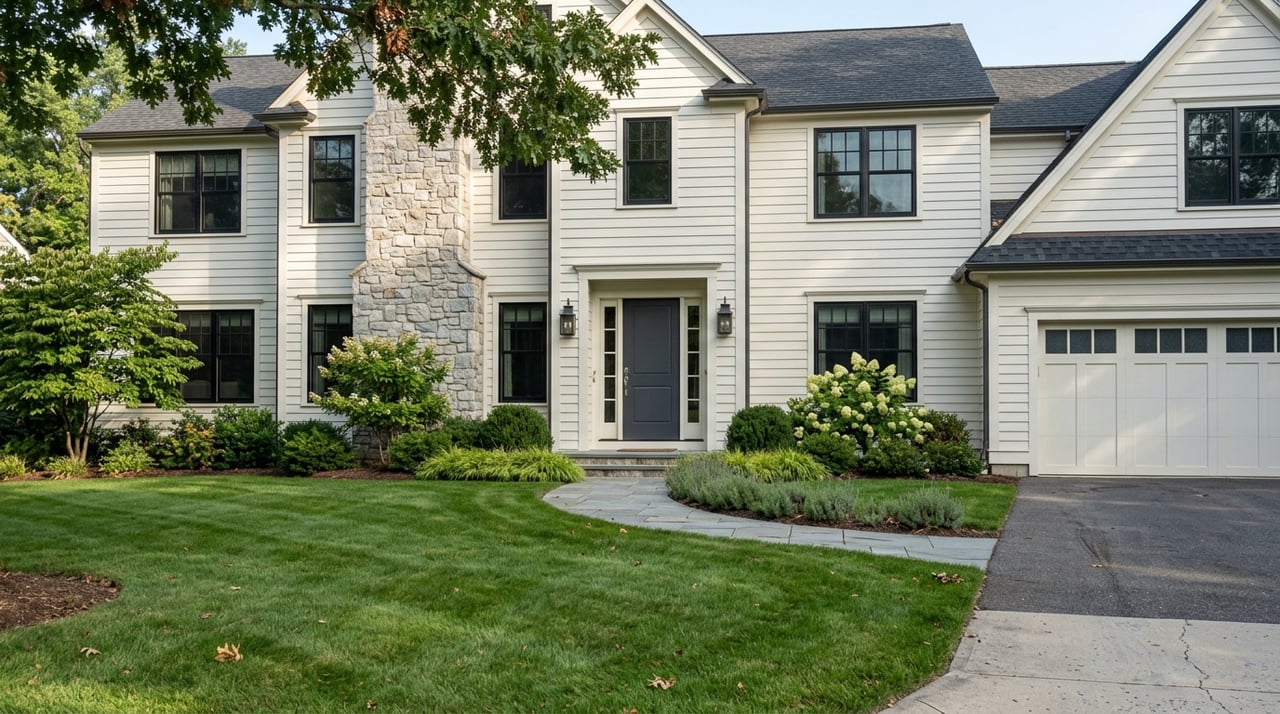
Torn between a house and a townhome in Fresh Meadows? You are not alone. Space, upkeep, commute, and budget all play a role, and the right choice depends on how you live today and where you want to be in a few years. This guide gives you clear, local facts and checklists so you can decide with confidence. Let’s dive in.
Fresh Meadows snapshot
Market context and price anchors
Fresh Meadows is a residential pocket in northeast Queens with tree-lined streets and a mix of detached homes, attached houses, and garden co-ops. As of December 31, 2025, Zillow’s neighborhood index placed typical home value around $1.03 million with a roughly 5.9% year-over-year rise. PropertyShark and other trackers showed median sale or list prices hovering near the low $1 million range late in 2025. Treat these as broad anchors when comparing detached houses and attached options, and always verify current figures before you offer since market conditions change.
Commute and daily life
Fresh Meadows does not have a subway station inside the neighborhood. Most commuters rely on local and express MTA buses, including routes updated by the Queens bus network redesign in 2025. Review express options to Manhattan and route updates using the MTA’s project pages for the redesign, such as the summary for the QM31 express service. If you drive, convenient access to the Long Island Expressway and Grand Central Parkway is a plus.
Families often focus on School District 26, with schools like Francis Lewis High School referenced in local conversations. For neutral, factual information and contacts, use the District 26 school locations page. Parks are another draw. Cunningham Park and the Kissena corridor add trails, fields, and green space that many buyers value for both lifestyle and long-term resale appeal.
Houses vs townhomes: what you get
Detached single-family homes
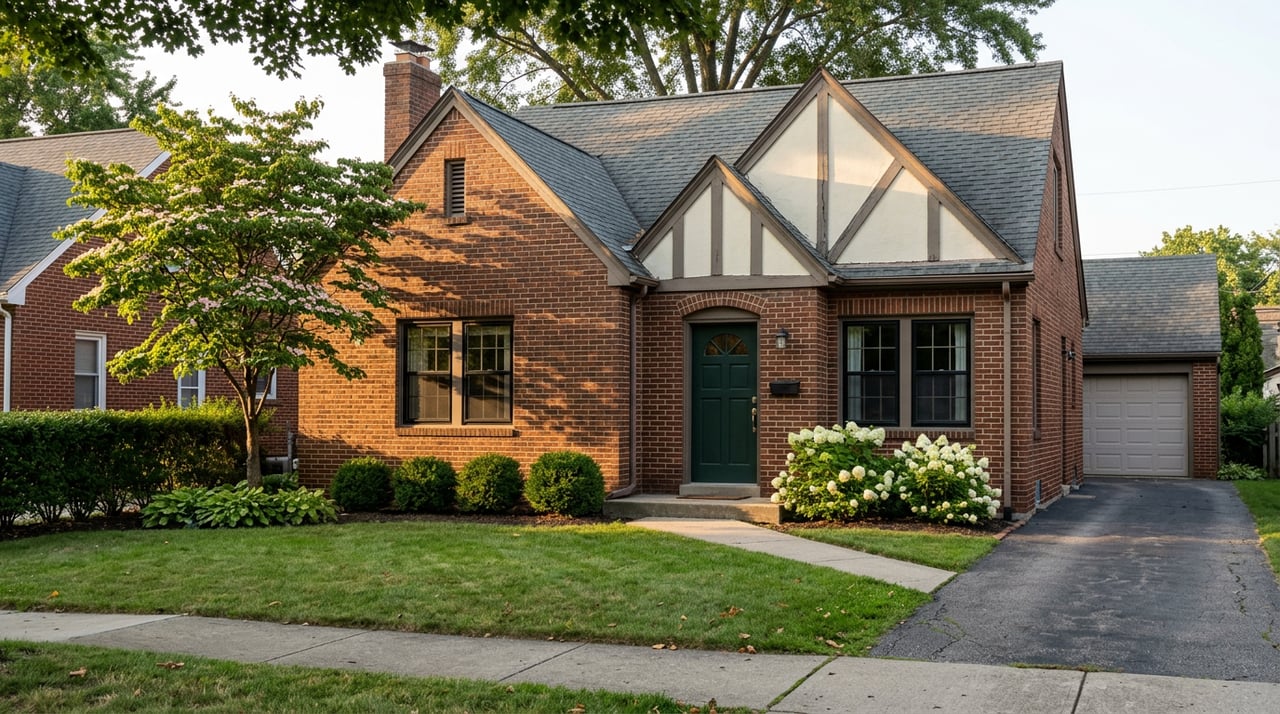
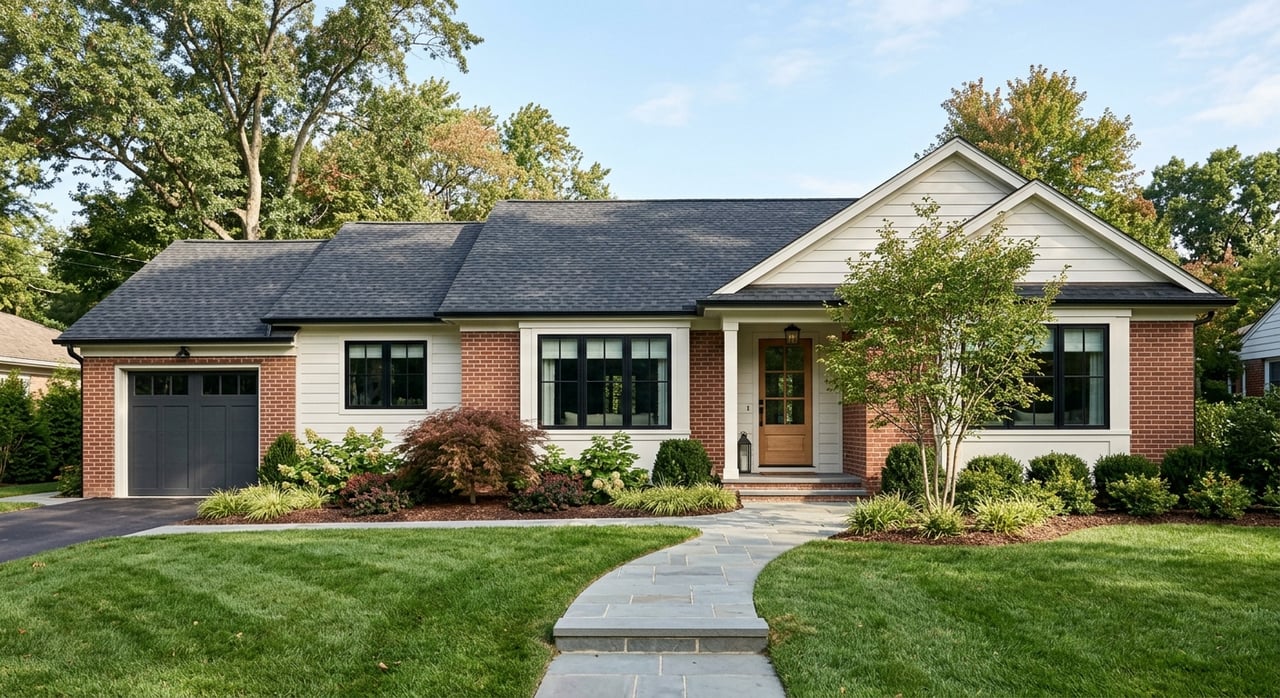
Typical Fresh Meadows houses offer 2 to 4 bedrooms, a basement, and a private yard, with many lots about 30 to 40 feet wide and near 100 feet deep. Garages or driveways are common. You get strong privacy, storage, and the option to reconfigure rooms or plan additions, subject to zoning and Department of Buildings approvals.
Attached townhomes and row styles
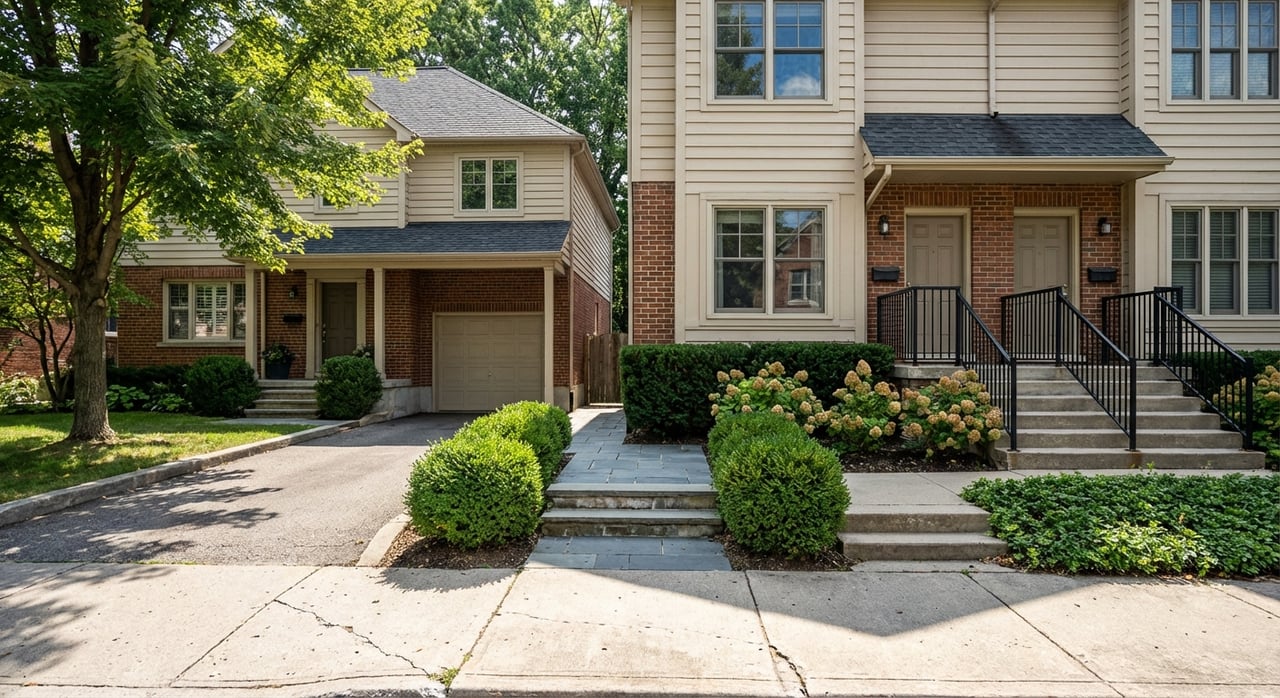
Townhome-style and attached houses exist in pockets, often near commercial corridors. They usually provide multi-level layouts, at least one shared wall, smaller private outdoor areas, and reduced exterior upkeep compared to a large detached home. Some attached homes have associations that handle certain exterior items, while many remain fee-simple with each owner responsible for their own facade, roof, and sidewalk. Always confirm what your deed or any HOA actually covers.
Typical prices in context
In late 2025, neighborhood medians sat around the low $1 million range. Detached single-family homes in Fresh Meadows often price at or above the neighborhood median, depending on lot size, width, and condition. Attached homes can trade closer to, or just below, the median, again depending on block, width, and renovation level. Exact pricing varies, so use the latest comps when you are ready to move.
Key trade-offs to weigh
Space and layout
- Houses: More interior flexibility, a real yard, and a basement for storage or recreation. Good if you want a home office, play space, or room to grow.
- Townhomes: Vertical living across multiple levels, typically less yard than a detached house but often more than a condo or co-op. Good if you want a house-like feel with somewhat lower exterior upkeep.
Maintenance and monthly costs
- Houses: You budget for all upkeep, including roof, structure, driveway, and landscaping. A simple rule of thumb is to set aside 1 to 3 percent of the home’s value per year for maintenance, with older homes or recent renovations affecting that number.
- Townhomes: Maintenance depends on the setup. If there is an HOA, you may pay monthly dues and share some exterior costs. In fee-simple attached homes without an HOA, you shoulder exterior items yourself.
- Tax class matters: In NYC, 1 to 3 family homes fall under Tax Class 1, while co-ops and condos fall under Class 2. Two similar sale prices can carry different tax bills because of class and assessment methods. Check the latest NYC property tax class definitions and rates and review the specific property’s tax bill before you commit.
Privacy, noise, and outdoor space
Detached homes deliver the most privacy and yard space. Townhomes share at least one wall, so noise transfer can vary by construction quality. When you tour, listen for sound between floors and through party walls, and compare yard size and usable outdoor areas to see what fits your lifestyle.
Financing and closing reality
Upfront price and loan options
- Houses and attached fee-simple homes: These typically use standard residential mortgages. Lenders will focus on your income, debt-to-income ratio, appraisal, and property condition.
- Condos as a comparison point: If you consider a nearby condo instead of a townhome, remember lenders review both you and the project. Ask whether the building is eligible under agency guidelines and check the Fannie Mae Condo Status Finder for project-level eligibility, which can affect rates and loan options.
- Co-ops as a comparison point: Co-op purchases follow a board approval process. Many co-ops expect at least 20 to 25 percent down, and some require more. They also review post-closing liquidity and other financials. See this neutral overview of co-op versus condo differences on Investopedia and confirm exact building rules before you apply.
Insurance basics
- Houses: You will carry a homeowner’s policy that covers the structure and liability.
- Condos: Owners usually carry an HO-6 policy for the unit interior, while the building keeps a master policy.
- Co-ops: The co-op carries a master policy, and most buyers also purchase share-owner coverage for interior and liability needs. A local insurance pro can help you price and right-size coverage.
Resale and long-term value
Resale strength in Fresh Meadows often tracks family-friendly features like yard space, storage, and proximity to parks. Detached houses tend to attract a wide pool of buyers, including move-up buyers focused on schools and outdoor space. Attached homes can resell well if they offer functional layouts, off-street parking, and updated systems. Liquidity can vary by price band and condition, so study days on market and recent comps when you plan your timeline.
Quick pre-tour and due diligence checklists
Pre-viewing checklist
- Confirm the property type and NYC tax class (Class 1 or Class 2) so you can estimate taxes accurately. Review the NYC property tax rate page.
- For houses or townhomes: Ask for recent tax bills, Department of Buildings history, and evidence of roof age and any past water intrusion. Start with the NYC DOB portal.
- For condos: Ask about project eligibility and request HOA budget, reserves, and litigation disclosures. Check the Fannie Mae Condo Status Finder.
- For co-ops: Request the board application checklist, house rules, and a breakdown of monthly maintenance and what it covers. Policies vary by building.
Inspection checklist
- Roof, gutters, and flashing condition.
- Basement moisture and signs of past water issues.
- HVAC age and service records.
- Electrical panel capacity and any outdated wiring.
- Oil tank status if applicable, plus driveway, garage, and boundary fences.
- For attached homes: party-wall condition and any shared systems.
Financing and closing checklist
- Get a pre-approval that matches the property type you are targeting.
- For co-ops: prepare your board package early and allow for extra time for interviews and approvals. A co-op attorney can help with timelines.
- For condos: ask for recent HOA meeting minutes, delinquency rates, and reserve studies. Lenders will review these items.
Which one fits your situation?
First-time buyer who wants predictability
You may prefer an attached home with manageable outdoor space or a nearby condo with common charges that cover many exterior costs. The trade-off is less private yard space but more predictable monthly expenses.
Move-up buyer who needs room and a yard
A detached single-family house offers flexibility, storage, and a true private yard. Plan for higher property taxes and ongoing maintenance. If you want multigenerational flexibility or potential rental income, consider a legal two-family as an alternative.
Busy professional who commutes by bus or car
An attached home near express bus routes or with quick access to the LIE/Grand Central can balance space with convenience. Compare commute times, parking options, and exterior upkeep across your top blocks before deciding.
Real-world local examples (at time of writing)
- A detached brick colonial on a 30 to 40 foot lot with a driveway and basement illustrates the classic Fresh Meadows single-family setup, often pricing around or above the neighborhood median depending on width and condition.
- A two-family brick home shows how owner-occupants can live on one floor and rent the other, with pricing that varies widely based on renovation and income potential.
- A garden co-op unit in a courtyard complex highlights lower headline prices with a monthly maintenance fee in the hundreds to low thousands and typical parking wait lists. Co-ops have board rules and distinct financing, so timelines can be longer than condo or house purchases.
The bottom line
Choose a detached house if you value maximum privacy, a real yard, and long-term layout flexibility, and you are prepared for full maintenance and taxes. Choose an attached townhome if you want multi-level living with smaller outdoor areas and potentially lower exterior upkeep. In both cases, verify taxes, review DOB records, and budget for maintenance before you offer.
Ready to compare options block by block and price your best move? Reach out to Michelle Zhao for personalized guidance and a confident plan.
FAQs
What is the biggest difference between a Fresh Meadows house and a townhome?
- A detached house offers more privacy and a larger yard, while a townhome shares at least one wall, has smaller outdoor areas, and can reduce some exterior upkeep.
How do NYC property taxes differ for houses versus condos or co-ops?
- Houses with 1 to 3 units fall under Tax Class 1 and co-ops or condos fall under Class 2, so two similar sale prices can have different tax bills; always check the NYC tax rate page.
Does Fresh Meadows have a subway, and how do people commute?
- There is no subway station in Fresh Meadows; most residents use local and express buses updated under the Queens bus network redesign, including routes like the QM31 express.
What down payment should I expect for a co-op or condo near Fresh Meadows?
- Many NYC co-ops expect at least 20 to 25 percent down and review your post-closing liquidity, while condo requirements vary by lender and project eligibility per Fannie Mae guidelines.
What inspections are critical for an attached townhome in Queens?
- In addition to a standard home inspection, check party-wall conditions, roof and flashing, basement moisture, electrical capacity, and any shared systems using the NYC DOB portal.