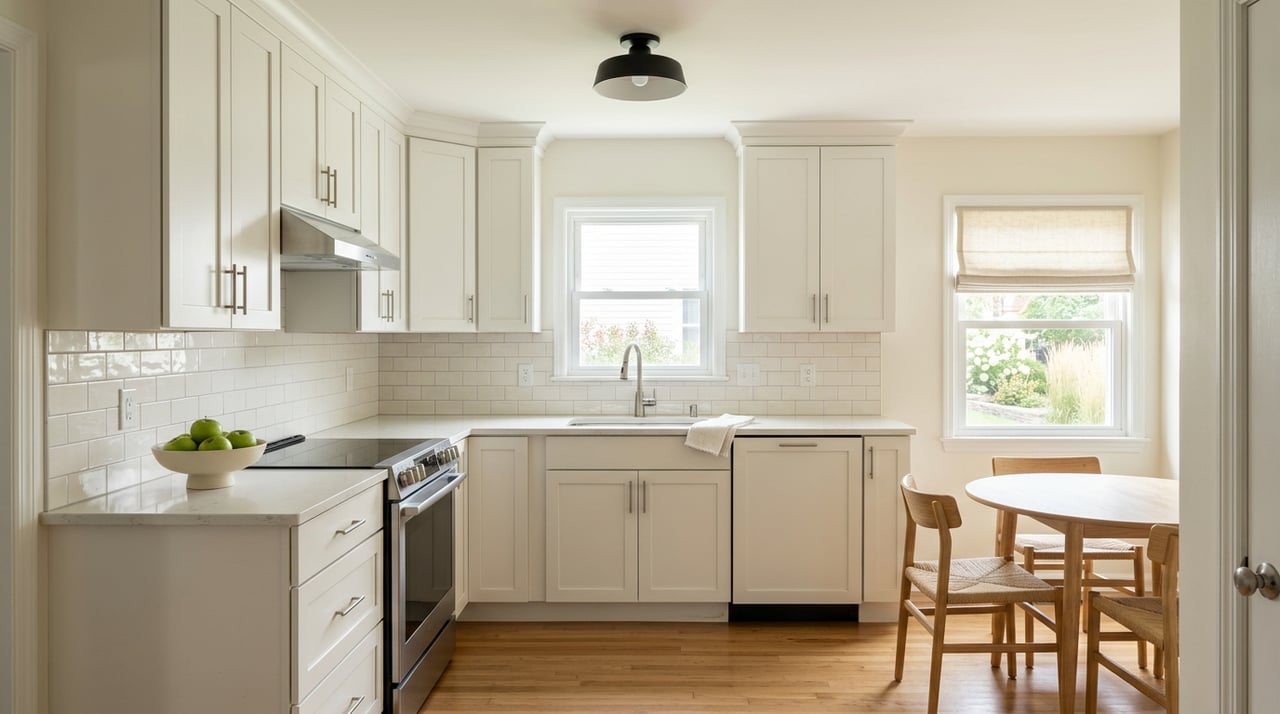
First-Time Buyer Guide To East Meadow Starter Homes
April 9, 2026
April 9, 2026
Buying your first home in East Meadow can feel like aiming at a moving target. Prices are high, competition is real, and many of the homes you will see are older single-family properties with costs that go beyond the list price. The good news is that when you understand where the true starter-home options are, how to budget, and how to prepare your financing, you can shop with much more confidence. Let’s dive in.
In East Meadow, a starter home does not always mean a small detached house at a low price. The local housing stock is mostly single-family detached homes, so entry-level buying often means choosing between an attached home at the lower end or an older detached home that may need updates.
According to East Meadow housing and market data, the market is competitive and sits near the high-$700,000 range overall. That makes it important to define starter-home options by price band and housing type, not by one fixed number.
The clearest lower entry point in today’s market is attached housing. Recent 2-bedroom, 2-bath units sold around $506,000 to $515,000, with sizes around 941 to 1,000 square feet, based on recent East Meadow market activity.
If your top priority is getting into the market at the lowest visible price point, this is often where your search may begin. These homes can offer a path to ownership in East Meadow without the price tag of a detached house.
If your goal is a detached starter home, the realistic range appears higher. Current examples in the market suggest the lower detached range starts in the high-$600,000s and runs into the mid-$700,000s, including listings and pending homes around $679,000, $699,000, $729,000, and $748,000 from recent East Meadow listings.
That means your first detached home in East Meadow may not be your forever home. It may be an older 3-bedroom property, a more modest layout, or a home that needs some improvements over time.
East Meadow’s housing profile helps explain why first-time buyers often need to adjust expectations. Of the area’s 12,184 housing units, about 83% are 1-unit detached homes, according to local housing data.
The area also leans toward larger homes. About 71% of units have 3 or 4 bedrooms, and the median number of rooms is 6.6. In other words, even many “starter” options may be larger and more expensive than what first-time buyers expect in other markets.
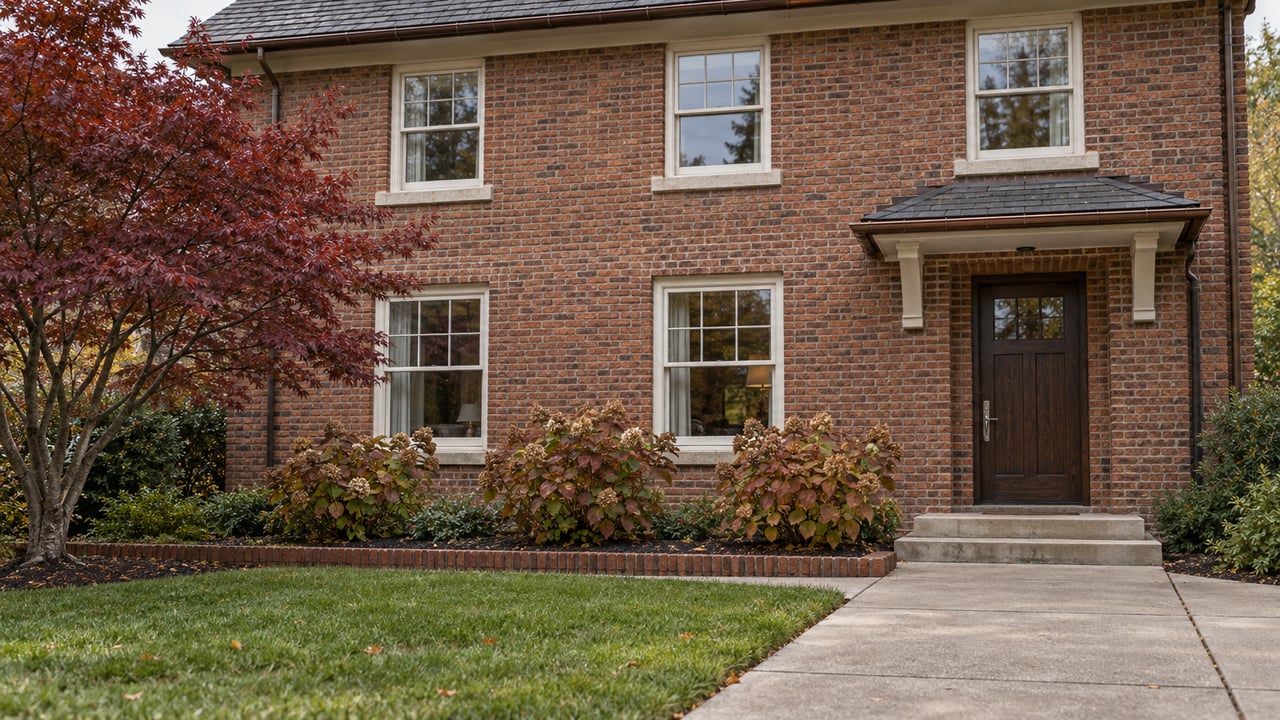
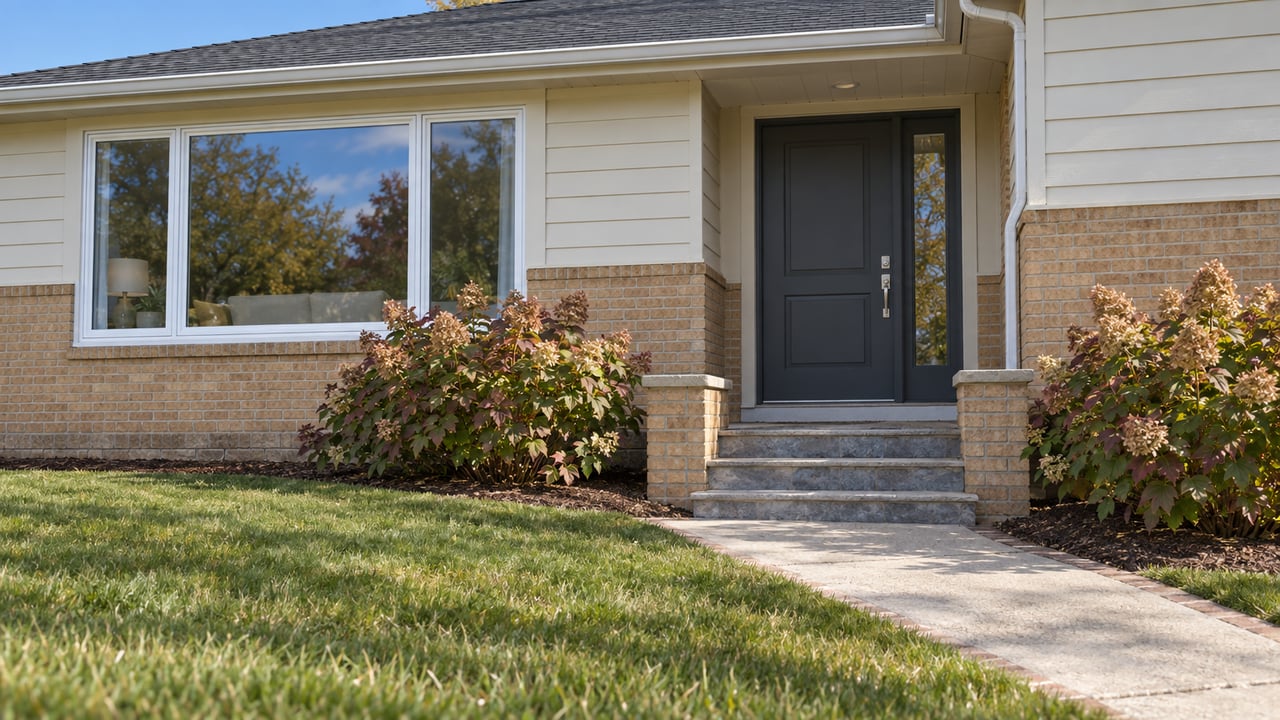
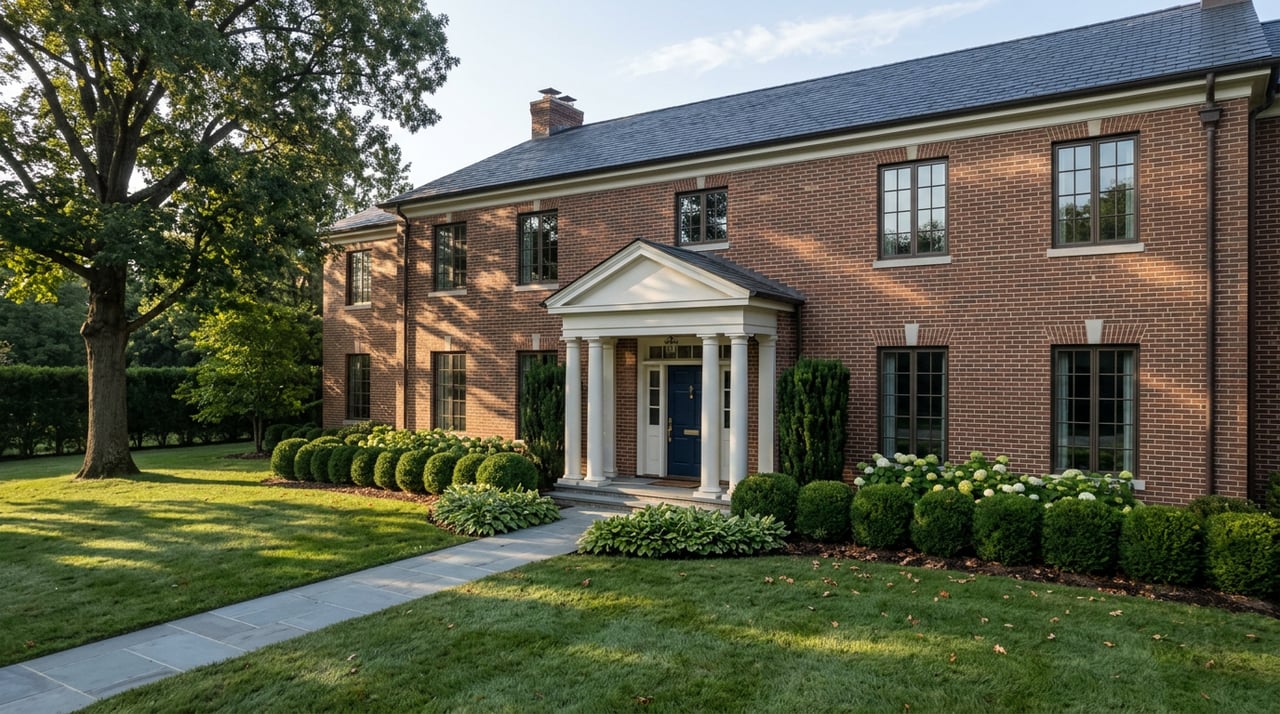
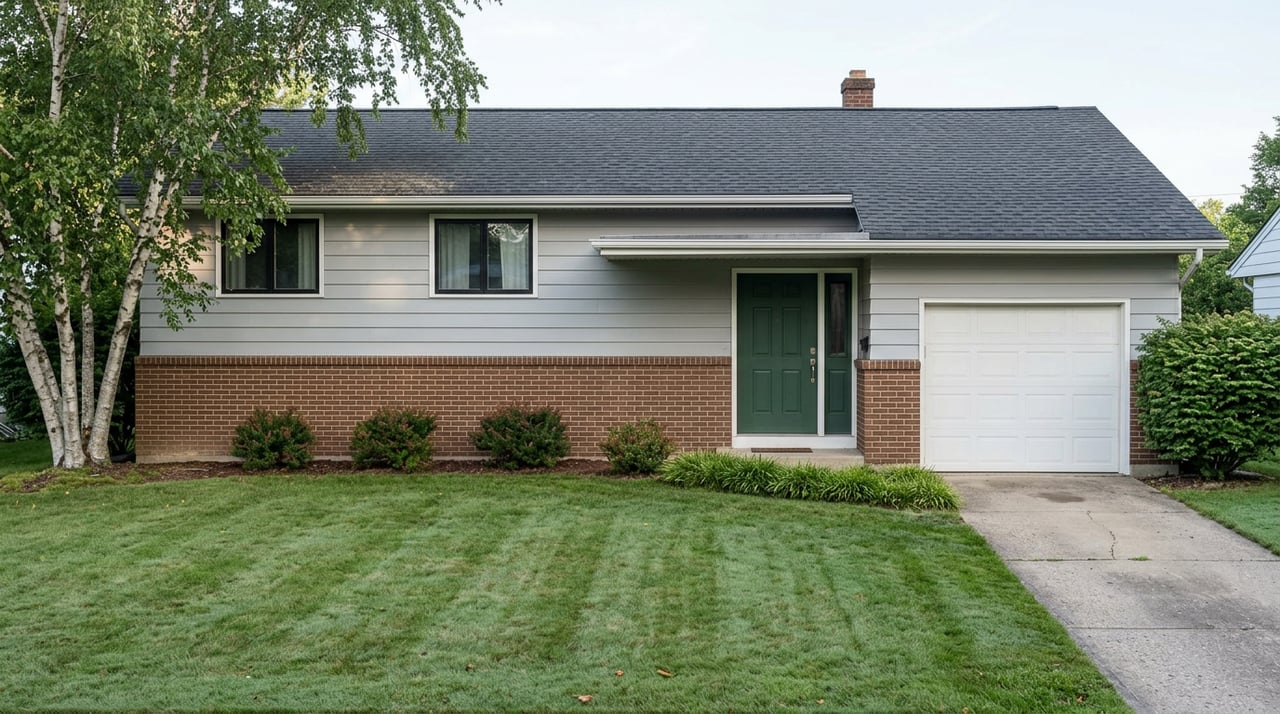
As you tour East Meadow, you will likely see the same home styles come up again and again. Recent listings and sold homes commonly include split-levels, colonials, and cape-style homes, which fits the area’s long-established suburban housing pattern.
This matters because layout and condition can vary a lot between homes in the same price range. One house may have more finished space, while another may offer a better lot or a more updated kitchen.
East Meadow has an older inventory overall. Roughly 79% of housing units were built from 1940 to 1969, based on East Meadow demographic and housing age figures.
For first-time buyers, that means you should go in expecting postwar-era homes rather than large amounts of new construction. Older homes can offer charm and solid space, but they can also bring maintenance considerations that affect your budget and inspection process.
Price is only part of the equation in East Meadow. Monthly ownership costs, closing costs, and the full payment structure can have just as much impact on affordability.
The U.S. Census QuickFacts for East Meadow show median selected monthly owner costs of $3,617 with a mortgage and $1,445 without a mortgage. Those figures are notably higher than New York state averages.
The Consumer Financial Protection Bureau explains that ownership costs can include principal and interest, mortgage insurance, property taxes, homeowners insurance, flood insurance, HOA fees, maintenance, and utilities. You can review that guidance through the CFPB homebuying budget resource.
That is why a home that seems affordable on paper can still feel tight month to month. In East Meadow, carrying costs deserve just as much attention as your down payment target.
The CFPB also notes that closing costs typically run about 2% to 5% of the purchase price before your down payment. On an $800,000 purchase, that works out to roughly $16,000 to $40,000 in closing costs alone, based on CFPB guidance for preparing your finances.
For many first-time buyers, this is one of the biggest surprises. If you are only saving for a down payment, you may be underestimating what you need to get to the closing table.
East Meadow’s price range makes financing strategy especially important. Since many homes are priced around the high-$700,000s to about $800,000, loan limits can directly shape your options.
For 2026, the baseline conforming loan limit is $832,750, while the FHA one-unit ceiling in high-cost areas is $1,249,125, according to the FHFA 2026 loan limit announcement.
Because East Meadow starter-home pricing often overlaps with the conforming range, many buyers should understand where their target purchase price lands relative to that threshold. This is one reason it helps to speak with a lender before you fall in love with a house.
Your financing path can affect your monthly payment, cash needed at closing, and overall offer strength. In a competitive market, clarity matters.
In East Meadow, speed and preparation matter. Sellers often expect a preapproval letter before taking an offer seriously, and the CFPB defines preapproval as a lender’s tentative willingness to lend up to a certain amount, though it is not a guaranteed loan offer. You can read more in the CFPB preapproval overview.
The CFPB also notes that preapproval letters can expire in 30 to 60 days. If your search stretches out, you may need to refresh your documents and numbers.
Before you start touring seriously, it helps to organize:
This follows the CFPB’s recommendation to track your finances and update payment assumptions as you shop, especially because rates can change daily and affect affordability.
East Meadow is a very competitive market. Redfin reports that homes often receive multiple offers, and some buyers waive contingencies in order to compete, based on its East Meadow housing market report.
That pressure can make first-time buyers feel like they need to rush or take bigger risks. But speed should not come at the expense of basic safeguards.
The CFPB notes that financing and inspection contingencies remain important because they protect you if your loan falls through or an inspection uncovers serious issues. In a market with many older homes, those protections can be especially meaningful.
A competitive offer is not only about price. It is also about being fully prepared, understanding your limits, and moving quickly when the right property appears.
If you are buying your first home in East Meadow, a practical plan often looks like this:
The CFPB notes that buyers who need help with credit, financing, or assistance programs can ask a HUD-approved housing counselor. That can be a valuable step if you want more clarity before making offers.
East Meadow can be a challenging place to buy your first home, but it can also be a very workable market when you know what to expect. The main lessons are simple: true starter options exist, detached homes usually start higher than many buyers expect, and your success will depend on budgeting for the full cost of ownership while entering the market with a solid preapproval strategy.
If you want expert guidance as you compare East Meadow homes and build a realistic first-time buyer plan, connect with Michelle Zhao for clear, responsive support throughout your search.
Stay up to date on the latest real estate trends.
We pride ourselves in providing personalized solutions that bring our clients closer to their dream properties and enhance their long-term wealth.