What Estate Living In Old Westbury Really Looks Like
March 12, 2026
March 12, 2026
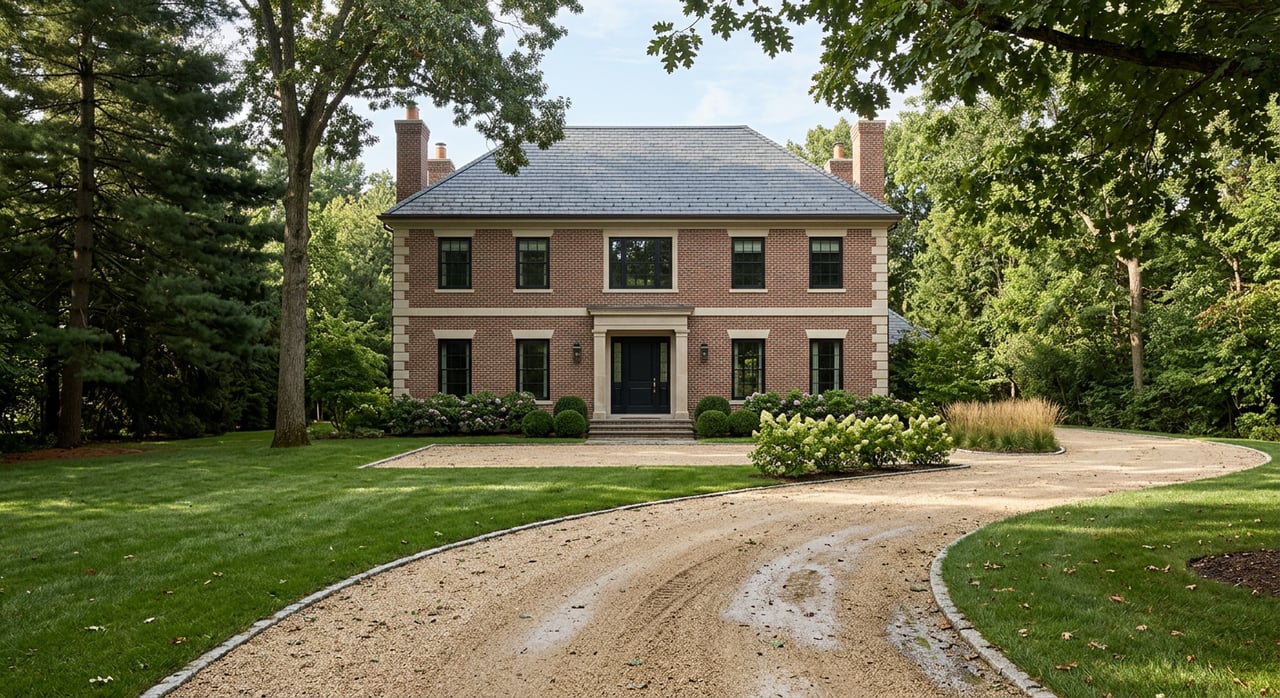
You turn off Wheatley Road and ease down a curving, tree-lined drive. The house sits far back from the street, framed by specimen trees and a broad lawn. If you picture this kind of arrival in Old Westbury, you’re on the right track. In this guide, you’ll see what estate living here really looks like, how the zoning preserves privacy, what daily life feels like, what budget ranges typically buy, and the practical costs that come with scale. Let’s dive in.
Old Westbury is a small, intentionally low-density village on Long Island’s Gold Coast. Its character was shaped by the estate era and has been carefully preserved. The village’s planning study describes “large-lot residential development” with “winding local roads” and homes “shielded from view by street trees and other buffer vegetation.” That is why you see long sight lines to private lawns, ponds, and gardens rather than subdivision-like streetscapes. You can read the village’s language about community form and buffers in the official Land Use and Zoning Study.
Estate-scale lots are not a coincidence. Old Westbury’s residential districts require large minimum lots, including one-acre (B), two-acre (BB), and four-acre (B-4) categories. Some club and special-use areas call for much larger parcels. This code is the structural reason you get deep setbacks, mature tree buffers, and long private drives across the village. If you plan to add structures or amenities, the same rules help guide what is possible. You can verify district types and minimums in the village’s zoning study.
The most visible link to the area’s past is Old Westbury Gardens, the former Phipps estate now open to the public. Its formal gardens, grand house, and seasonal programming offer a reference for the landscape scale many buyers expect. Visiting the Gardens helps you picture the blend of formality and natural beauty that still influences private properties today. Explore the estate’s story through the Old Westbury Gardens history.
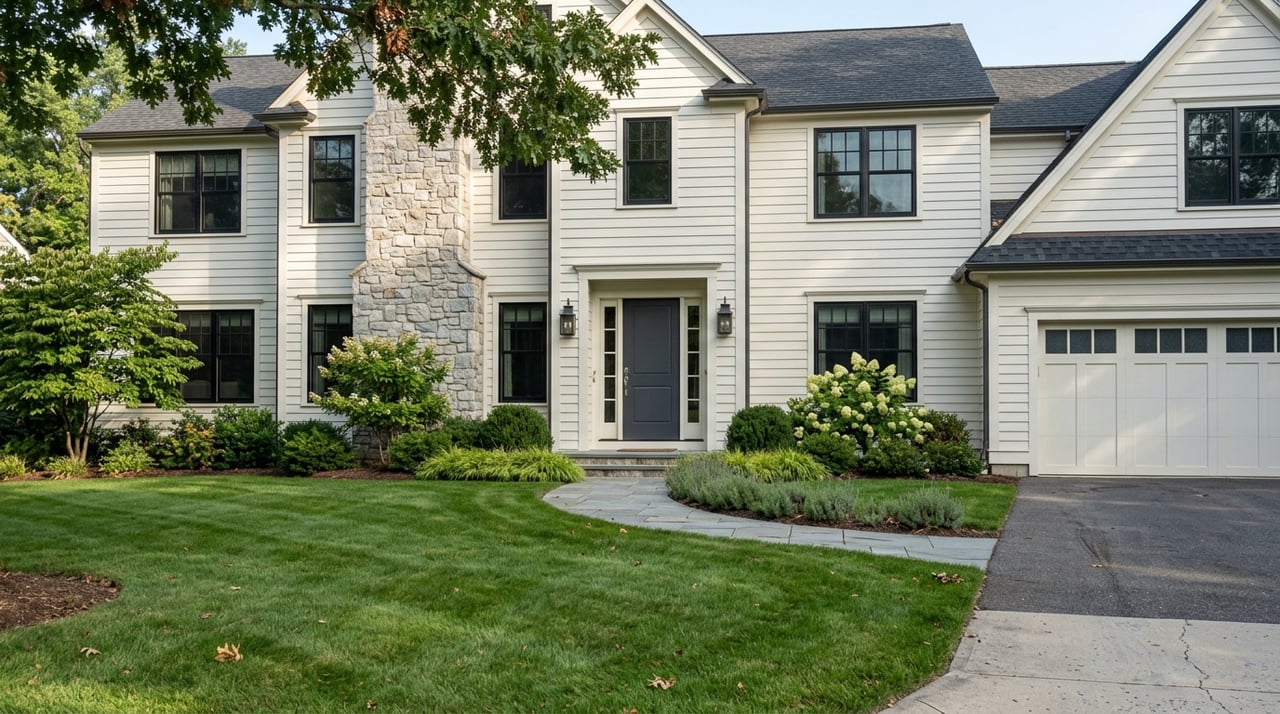
You’ll see a mix of early 20th-century Georgian, Colonial, Tudor, and French-Normandy styles alongside large modern and contemporary builds. Many older facades remain formal and traditional while interiors are updated with today’s systems, kitchens, and wellness spaces. The result is a refined exterior presence with contemporary function inside. On larger parcels, outbuildings such as stables, barns, workshops, or pool houses are common.
Expect multiple living and entertaining wings, generous bedrooms, and flexible guest or staff quarters. Indoor and outdoor pools, formal gardens, and terraces support year-round hosting. On 1 to 4 acres, you can usually create distinct outdoor zones for play, recreation, and quiet retreat. Historic, legacy, or club-adjacent properties may span far beyond that, creating a true compound feel.
The village’s equestrian roots are still visible. Meadow Brook Polo Club, a long-running polo institution, operates in Old Westbury and keeps that tradition active for players and spectators. Learn about its heritage through the Meadow Brook Polo Club history. Golf is also part of the local rhythm, with private clubs like Old Westbury Golf & Country Club offering golf, tennis, dining, and social events. You can find the club’s listing and details via the regional business directory entry.
For shopping, residents often head to major retail hubs nearby, including cluster destinations on the North Shore. Cultural life includes local performance venues such as the NYCB Theatre at Westbury, plus campus and garden programming. Old Westbury Gardens hosts seasonal events that make it easy to spend a weekend close to home, and campus venues in the area support private events and community gatherings.
For many residents, the nearest frequent Long Island Rail Road stop is Westbury Station. Typical one-seat rides to Manhattan’s Penn Station are often around 35 to 50 minutes depending on the train. This makes a daily city commute realistic if you choose the right schedule. You can preview sample travel times through this route overview.
If you drive, Old Westbury sits near the Long Island Expressway, Northern State Parkway, and Meadowbrook Parkway. Local arteries such as Jericho Turnpike, Old Westbury Road, and Wheatley Road connect you to daily services and regional routes. The location lets you balance quick access to major roads with the quiet and privacy of interior residential streets. The village highlights these connections in its planning study.
Old Westbury is an affluent, estate-focused market. Market trackers often show median or average values in the multi-million range. Exact numbers change with supply and season, yet the following ranges give you a practical starting point when you tour.
Lot size is a strong driver of price and privacy here. Because Old Westbury’s code protects large-lot patterns across B, BB, and B-4 districts, inventory often includes acre-plus parcels with mature buffers. Review district rules in the village’s zoning study as you match budget to acreage.
Nassau County property taxes are an important part of the ownership picture and can be higher than national averages. When you evaluate a property, run tax projections with your attorney or accountant and review its assessment history. Regional organizations provide context for the county’s broader economic landscape and priorities, such as the Long Island Association. Build a budget that reflects taxes, insurance, and your expected mortgage or cash strategy.
Acreage and house size bring ongoing costs. Plan for landscaping and tree care, pool maintenance, private drive upkeep, and larger HVAC and utility loads. Outbuildings like barns or workshops add service needs and, if active for equestrian use, potential staffing or specialty vendors. Many buyers set aside a capital budget for systems upgrades in the first few years, then establish a routine vendor schedule to keep the property running smoothly.
Old Westbury’s zoning aims to preserve estate character, and it generally limits subdivision. That stability protects neighborhood scale but can also shape your plans if you want to add new facilities like tennis courts, indoor arenas, or stables. Before you buy, confirm special-use rules, setbacks, and potential approvals for your specific parcel. The village’s Land Use and Zoning Study is a helpful starting point for understanding these frameworks.
Ready to tour estate properties or size up your options before listing? Reach out to Michelle Zhao for local guidance, polished presentation, and a results-focused plan tailored to Old Westbury.
Stay up to date on the latest real estate trends.

We pride ourselves in providing personalized solutions that bring our clients closer to their dream properties and enhance their long-term wealth.