Shopping for a $1M–$4M home in Old Westbury, Jericho, or Woodbury and wondering how jumbo financing works on Long Island? You’re not alone. Many North Shore buyers use jumbo mortgages, and the rules feel different from standard loans. In this guide, you’ll learn how jumbo loans are defined, what lenders look for, how rates are priced, and how to prepare a strong file that supports a winning offer. Let’s dive in.
What makes a loan “jumbo” on Long Island
A jumbo mortgage is any loan amount above the conforming loan limit set each year by the Federal Housing Finance Agency. Loans at or below the limit can be sold to Fannie Mae or Freddie Mac. Loans above the limit are jumbo and are usually kept on a lender’s balance sheet or sold to private investors.
These limits are county specific and change annually. Nassau and Suffolk may or may not be designated as high-cost areas in a given year. Because this affects whether your loan is conforming or jumbo, you should verify the current FHFA county-level limits before you start making offers.
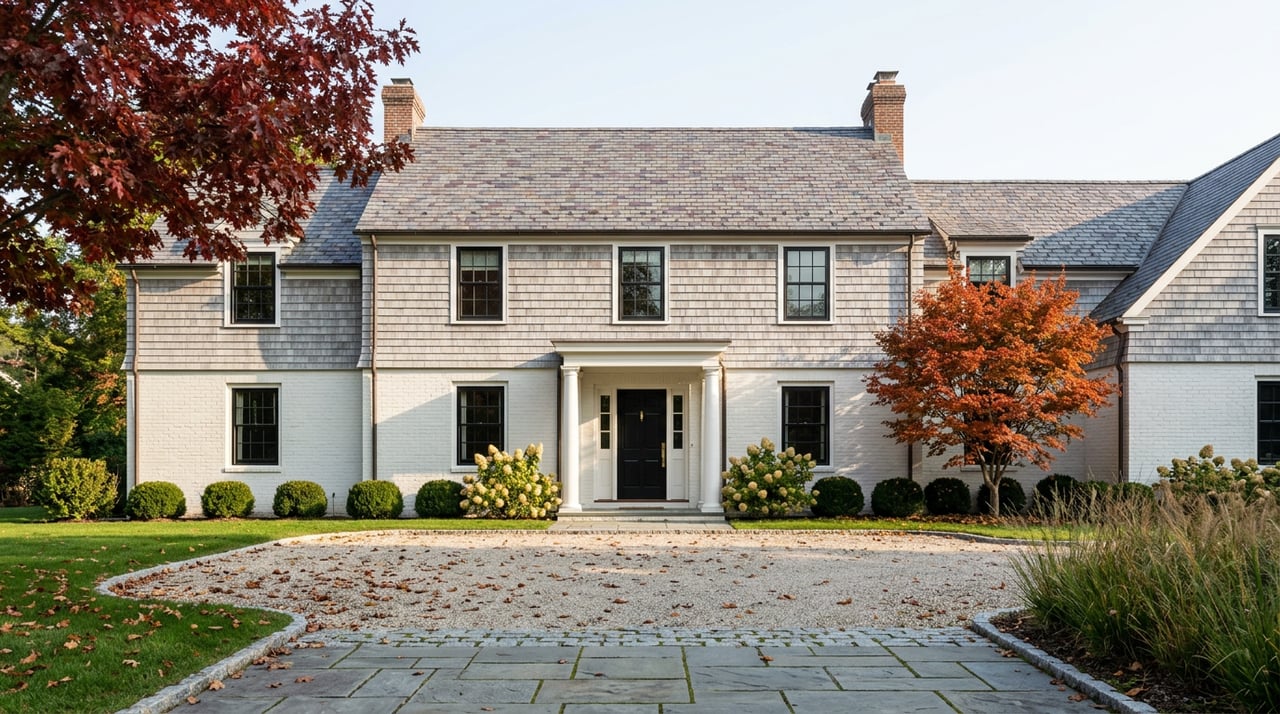
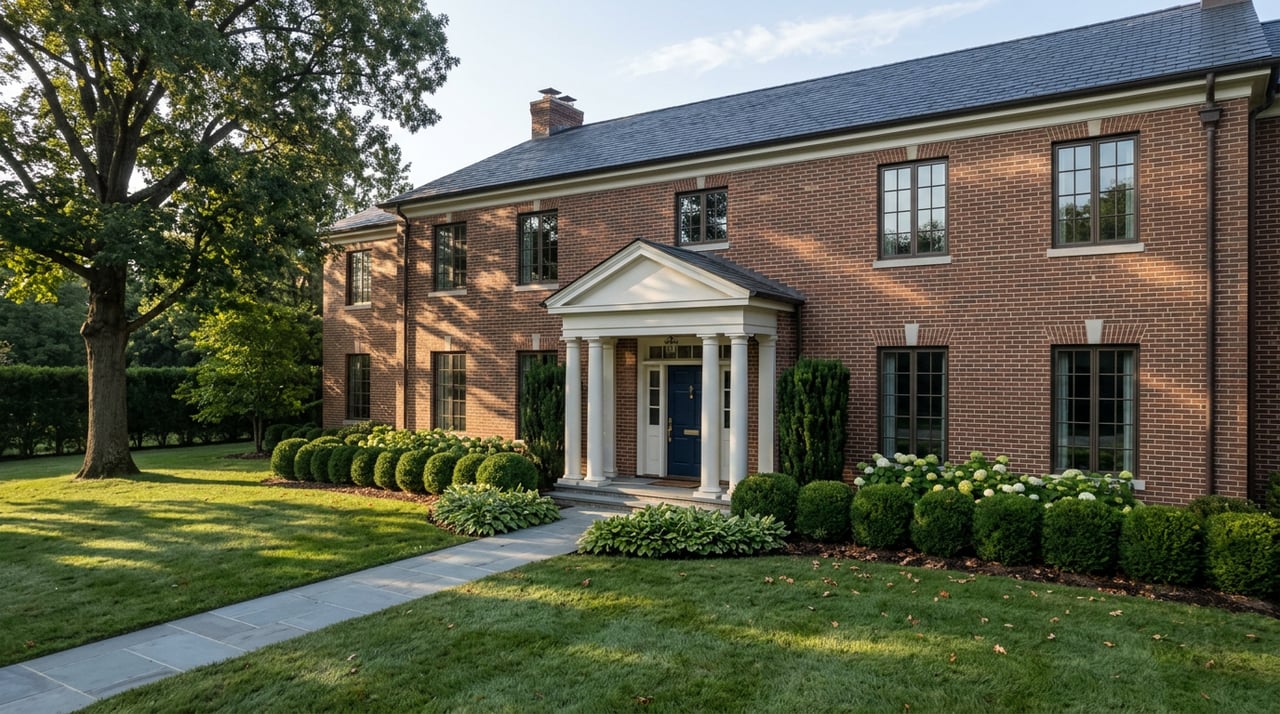
On the North Shore, many properties exceed the baseline conforming limit. Homes in the $1M–$2M range often require jumbo financing, especially at higher loan-to-value ratios. For homes priced $2M–$4M and above, jumbo programs are the norm and usually involve larger down payments, more documentation, and higher reserve requirements.
Underwriting basics: credit, income, reserves
Jumbo lenders set tighter standards than many conforming programs. You’ll want to present a clean, well-documented profile.
- Credit score: Best pricing commonly favors scores in the mid-700s or higher. Some lenders allow lower scores with strong compensating factors.
- Debt-to-income ratio: Many jumbo programs target DTI below roughly 43–45 percent unless you have significant reserves or a low loan-to-value.
- Cash reserves: Expect to show several months of mortgage payments after closing. Larger loans, especially $2M+, can require 12 months or more of reserves.
- Assets and liquidity: Be ready to document where your down payment and reserves come from. Lenders review bank and investment statements closely.
Documentation for different income types
- Salaried borrowers: Full documentation is standard, including W-2s, recent pay stubs, and tax returns.
- Self-employed and complex income: Plan on two years of tax returns and a current profit-and-loss statement. Lenders scrutinize K-1s, partnership distributions, and investment income. Some portfolio or non-QM programs allow alternative documentation, but they come with stricter terms and pricing.
Employment checks and letters
Jumbo lenders verify employment and may ask for explanation letters if you have job changes, gaps, or unusual deposits. Stability and continuity of income matter because these loans carry more funding risk for lenders.
Appraisals on luxury North Shore homes
Valuing high-end properties can be complex. Appraisers may face limited comparable sales, unique features, or large acreage that requires careful adjustments. For bigger loans, lenders sometimes order a second appraisal or a review.
Expect a longer appraisal timeline than a typical suburban home, which can affect your rate lock and closing date. Because valuation risk is a common reason jumbo deals fall apart, plan ahead for potential appraisal gaps and have a strategy to bridge them.
Property type, occupancy, and LTV rules
- Occupancy: Primary residences receive the most favorable terms. Second homes and investment properties face stricter underwriting and higher rates.
- Loan-to-value: Many jumbo programs cap LTV around 80 percent. Lower LTVs, such as 70–75 percent, can improve pricing and approval speed.
- Mortgage insurance: PMI is rarely available for standard jumbo loans. If you want a smaller down payment, you will need to explore specialized structures, which can be more complex and costly.
How jumbo rates are priced
Conforming loans benefit from the liquidity of agency securitization. Jumbo loans do not. They are held in portfolio or sold to private investors, so pricing depends on lender funding costs, investor demand, market volatility, and your specific profile.
In some markets, jumbo rates trend higher than conforming. In others, the gap narrows. Your rate will reflect loan size, LTV, occupancy, credit score, documentation type, and features such as adjustable-rate or interest-only structures. Pricing can also vary based on whether a bank keeps the loan or sells it.
Common jumbo program types
- Conventional jumbo: Strong-credit borrowers with solid reserves often see competitive pricing.
- Portfolio bank jumbo: Loans kept on a bank’s balance sheet. Relationship banking can help with flexibility.
- Non-QM or alternative documentation: Designed for self-employed or high-net-worth buyers using bank statements or asset depletion. Expect higher rates and larger reserves.
- ARMs: Adjustable-rate jumbos can offer lower initial rates and make sense if you plan to sell or refinance within a set timeframe.
- Interest-only: Lowers early payments but increases payment risk later. Underwriters review these closely.
Build a strong jumbo file before you shop
A well-prepared file can shorten underwriting time and help you compete for the right home.
Documentation checklist
Gather and organize:
- Government-issued ID
- Last 2 years of federal tax returns (personal and business as applicable)
- Year-to-date pay stubs for the past 30–60 days
- W-2s and/or 1099s for the last 2 years
- Two months of bank statements for accounts used for down payment and reserves (some lenders may ask for 12–24 months)
- Statements for investment and retirement accounts, plus trade confirms if you will liquidate assets
- Proof of gift funds if applicable, with donor statements and gift letters per lender rules
- Explanation letters for large deposits, credit inquiries, or employment gaps
- Statements for any mortgages, HELOCs, or significant liabilities
- Purchase contract and HOA or condo documents if relevant
Pre-approval vs. fully underwritten pre-approval
A standard pre-approval reviews your information, but final approval depends on verification and appraisal. A fully underwritten pre-approval goes further, with an underwriter reviewing your documents upfront and issuing a sign-off subject to appraisal and title. This stronger letter can improve your offer’s credibility in North Shore negotiations.
Align your financing with your offer
- Seek a fully underwritten pre-approval when possible.
- Anticipate appraisal gaps and plan for a cash bridge or a larger down payment.
- Consider adjusting or shortening contingencies only if your financing is strong. Be cautious about waiving mortgage contingencies on jumbos due to valuation risk.
- Use earnest money and clear proof of funds to show strength.
- Choose a rate lock period that covers appraisal and closing timelines. Ask about float-down features if available.
- If you are selling another home, discuss bridge options and how that debt affects underwriting.
Long Island factors to plan for
- High property taxes: Nassau County and many Long Island municipalities have some of the highest property taxes in the country. Lenders include taxes and insurance in your monthly housing cost when calculating DTI. Build these expenses into your budget.
- Condo, co-op, and HOA rules: Some projects require additional lender review. Financials, owner-occupancy ratios, and litigation can impact eligibility.
- Appraisal comps in affluent areas: Unique estates and limited sales activity can make valuation tougher. Lenders may widen search areas or look back further in time.
- Market seasonality and inventory: Luxury inventory on the North Shore can be tight, which supports seller leverage. Prepare your financing and timing accordingly.
- Local lenders and relationships: Many Nassau-based banks and wealth managers offer portfolio jumbos geared to high-balance buyers. Relationship banking can help, but always compare terms.
- Closing costs on high-value homes: Title insurance, surveys, and property insurance can scale with price. Waterfront or large-lot properties may require expanded coverage.
Smart next steps for North Shore buyers
- Verify the current FHFA conforming loan limits for Nassau and Suffolk to see whether your target loan is jumbo.
- Speak with a local lender who regularly handles jumbo loans in Old Westbury, Jericho, Woodbury, and nearby communities.
- Assemble your documents and identify liquid assets for down payment and reserves.
- Run a realistic DTI that includes estimated taxes, insurance, and any HOA fees.
- Compare fixed and ARM options, and weigh portfolio versus conventional jumbo programs.
- Get a fully underwritten pre-approval before touring top contenders.
- Set a timeline that accounts for appraisal complexity and underwriting review.
- Coordinate with your agent on appraisal gap strategies, earnest money, and proof-of-funds presentation.
Ready to map out your jumbo strategy for a North Shore purchase? Connect with Michelle Zhao for local guidance, bilingual support, and a clear plan to compete confidently in Old Westbury, Nassau County, and Suffolk County.
FAQs
What down payment is typical for a Long Island jumbo loan?
- Many buyers target about 20 percent down for competitive jumbo pricing, with lower LTVs often improving rates and approval ease.
What credit score do I need for a jumbo mortgage in Nassau or Suffolk?
- Strong jumbo pricing commonly favors scores in the mid-700s, though some lenders allow lower scores with higher reserves and other strengths.
How long does jumbo underwriting take on the North Shore?
- It can take longer than conforming loans due to appraisal complexity and discretionary reviews, so plan for extended rate locks and timelines.
Are jumbo mortgage rates higher than conforming loans today?
- Often yes, but the spread changes with market conditions and your profile, including loan size, LTV, occupancy, and documentation type.
What happens if the appraisal is below my contract price on a luxury home?
- You may need to bridge the gap with cash or renegotiate; larger down payments and flexible portfolio programs can help manage the shortfall.
Can I get PMI with a small down payment on a jumbo loan?
- Standard PMI is rarely available for jumbos, so most buyers plan for a larger down payment or consider more complex structures.