Hurricanes that ride up the East River can push storm surge and strong winds into Whitestone. If you own a home here or plan to buy, you want a simple plan to protect your family and your investment. In this guide, you’ll learn how to check your exact risk, what to do before, during, and after a storm, and where to find trusted local alerts. Let’s dive in.
Know your Whitestone risk
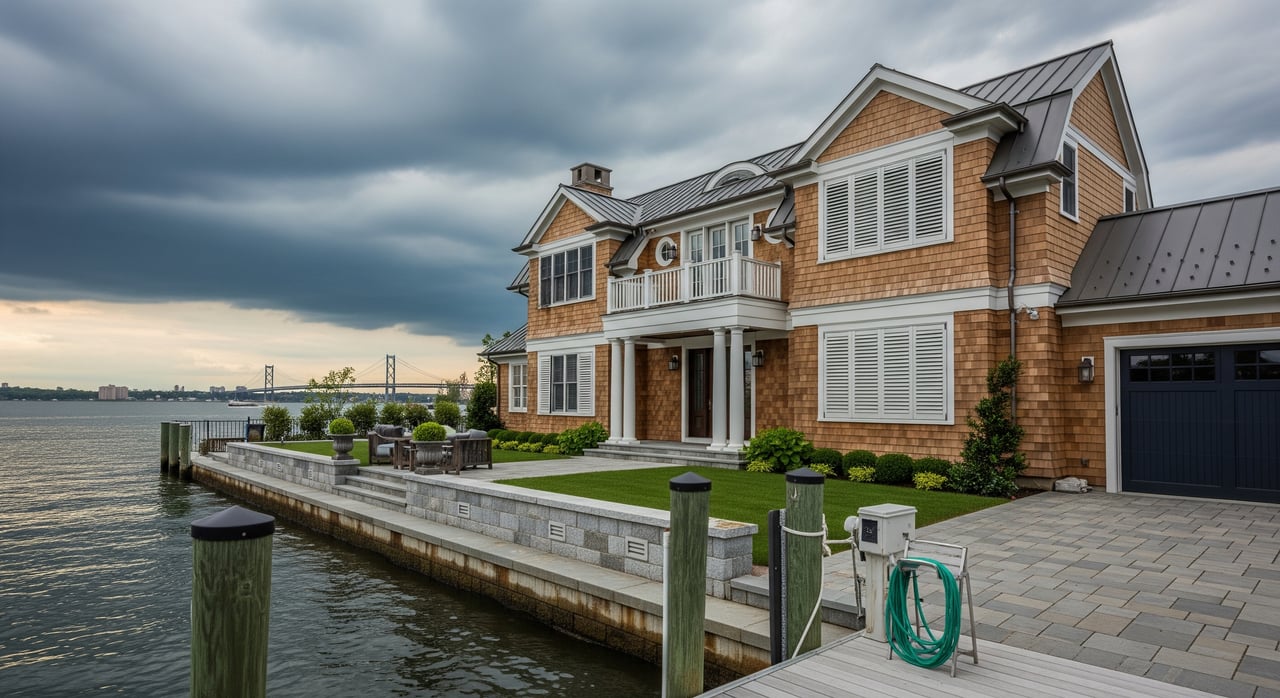
Whitestone’s shoreline along the East River and Little Neck Bay means some blocks face storm surge, coastal flooding, high winds, and heavy rain. Past storms that hit New York City show how powerful surge and flash flooding can be. Your best defense is to confirm your specific property’s status and make a plan.
Evacuation zones vs. FEMA flood maps
These two tools serve different purposes:
- NYC hurricane evacuation zones guide who must evacuate during a coastal storm. Check your address with the city’s Hurricane Evacuation Zone Finder on the Know Your Zone page. If the City orders your zone to evacuate, you should leave when instructed. Use NYC’s official finder.
- FEMA Flood Insurance Rate Maps are used by lenders and insurers. They do not replace NYC evacuation orders. You can review flood risk layers and resources through FEMA’s map tools. Explore FEMA flood map resources.
Seasonal outlook and local alerts
NOAA’s seasonal outlooks set context for the Atlantic season. Even in an average year, one storm can cause major damage, so preparation matters every season. Review NOAA’s latest seasonal outlook.
For real-time guidance, sign up for Notify NYC alerts, know how to reach 311, and follow NYC Emergency Management updates. Con Edison provides outage maps, restoration updates, and safety guidance during severe weather. Read Con Edison’s storm safety and outage info.
Before the season: Your checklist
Make your plan and contacts
- Know your zone. Confirm your evacuation zone and identify at least two routes out of the neighborhood. Check Know Your Zone.
- Choose a family meeting spot and an out-of-area contact.
- Sign up for Notify NYC alerts and save key numbers for 911, 311, and utilities.
Review insurance and finances
- Flood insurance has a waiting period. Most NFIP policies take 30 days to start. Do not wait for a storm forecast. See New York State’s flood insurance guidance.
- Confirm coverage limits for structure and contents. Ask your agent about private options if you need broader coverage.
Secure documents and records
- Back up deeds, insurance policies, mortgage papers, IDs, home photos, and an inventory of valuables.
- Store waterproof copies at home and keep digital copies in the cloud.
Build go-bags and supplies
- Stock water and nonperishable food for at least three days.
- Include flashlights, batteries, a battery or hand-crank radio, first-aid kit, prescriptions, chargers, cash, masks, and pet supplies. Use Ready.gov’s hurricane toolkit.
Maintain property and drainage
- Trim dead or overhanging branches and secure outdoor furniture, grills, and trash bins.
- Clear gutters and downspouts so water flows away from the foundation.
- Test your sump pump and consider a battery or generator backup. Install check valves to reduce sewage backflow.
Strengthen your home
- Protect openings. Storm shutters or impact-rated windows are best; pre-cut plywood is a last resort. Reinforce garage doors.
- Elevate critical utilities where feasible and secure fuel tanks per manufacturer guidance.
- For detailed upgrades and rebuilding guidance, review FEMA’s property protection resources. See FEMA’s mitigation guidance.
When a storm is approaching
- Follow official updates. Track NYC Emergency Management alerts, NWS/NHC advisories, and Con Edison outage notices. If your zone is told to evacuate, go as directed. Use NYC’s Know Your Zone.
- Protect the structure. Bring in or tie down outdoor items. Close shutters or cover windows. Unplug nonessential appliances. Move valuables to higher shelves or upper floors. Review FEMA’s protective steps.
- If flooding is imminent and you are staying: Turn off electricity at the main breaker only if it is safe and dry to reach.
- Generator safety is critical. Run portable generators outside, far from windows and vents. Never plug a generator into home wiring without a transfer switch installed by a licensed electrician. Read Con Edison’s generator and wire safety.
- Report downed wires to Con Edison and stay away from them. Use 311 for local hazards.
After the storm
- Safety first. Avoid floodwater. If you smell gas, leave and call your gas utility. Do not re-enter a damaged home until authorities say it is safe. Review FEMA safety guidance.
- Document everything. Photograph and video damage inside and out. Save receipts for emergency repairs. Keep notes of dates and conversations.
- Start claims early. Contact your insurer and follow NFIP or private policy steps. If a federal disaster is declared, you may be able to register for FEMA assistance. New York State offers guidance on filing flood claims. Use NY DFS homeowner guidance.
- Hire carefully. Use licensed, insured contractors and avoid high-pressure offers or large upfront payments.
For Whitestone buyers and sellers
Prepared homes tend to show better and recover faster. Buyers should check the evacuation zone and FEMA flood resources during due diligence, confirm insurability, and understand the flood insurance waiting period. Sellers can boost buyer confidence by showing recent maintenance, mitigation improvements, and a clear emergency plan. These steps support smoother transactions and long-term resilience.
If you are planning a move in Whitestone or along the North Shore and want local guidance that respects both safety and value, reach out to Michelle Zhao. Our team pairs neighborhood expertise with clear, practical advice so you can move forward with confidence.
FAQs
How do hurricane evacuation zones work in Whitestone?
- NYC assigns every address to a zone. If the City orders your zone to evacuate, you should leave when instructed and follow official routes and shelter guidance.
What is the difference between an evacuation zone and a FEMA flood map?
- Evacuation zones guide storm-specific evacuation orders. FEMA maps guide insurance and lending. Check both for your address and plan accordingly.
Do I need flood insurance if my Whitestone home is outside a FEMA A or V zone?
- Flooding can occur outside high-risk zones. Lenders may not require it, but many owners still choose a policy to reduce financial risk.
When should I buy flood insurance for a Whitestone property?
- Buy before hurricane season or as early as possible. Most NFIP policies take 30 days to begin, so last-minute purchases will not help for an imminent storm.
What are the highest-impact, lower-cost prep steps for Whitestone homes?
- Trim trees, secure outdoor items, clear gutters, test sump pumps with backup power, add a backflow preventer, and protect windows and garage doors.