Preparing Your Bayside Home For A Standout Sale
May 21, 2026
May 21, 2026
If your Bayside home is going to stand out, it cannot just be listed. It needs to be prepared, presented, and launched with intention. In a market where buyers often compare homes online first and homes can take about two months to go pending, the details matter. This guide walks you through how to get your Bayside home ready for a stronger first impression, better marketing, and a smoother sale. Let’s dive in.
Bayside is known for a housing mix that is mostly single-family homes, with some garden apartment complexes. That matters because buyers shopping here are often comparing layout, curb appeal, storage, outdoor space, and commute convenience very closely.
For sellers of detached and semi-detached houses, the one-family market is especially important. In the broader Bayside/Little Neck area, the 2024 median sales price per unit for one-family buildings was $998,000, compared with $615,000 for 2-4 family buildings and $650,000 for condominiums. That price gap shows why a polished presentation is so important for single-family sellers.
Portal data also points to a market that rewards careful planning. Realtor.com reports 361 homes for sale in Bayside, a median listing price of $445K, about 70 days on market, and a 97% sale-to-list ratio, while Zillow shows homes going pending in about 65 days. The exact numbers vary by source, but the practical takeaway is clear: you should prepare for a thoughtful launch, not a rushed one.
Many buyers start their search online, and they often make early decisions before they ever schedule a showing. National buyer data shows that 43% of buyers started online, 41% found photos very useful, 39% valued detailed property information, and 31% appreciated floor plans.
That means your home needs to look sharp on a screen before it ever shines in person. Clean photography, clear room dimensions, a readable floor plan, and accurate descriptions of storage, exterior space, and layout all help buyers understand the home quickly.
For Bayside, commute details can also add value to the listing story. The MTA identifies Bayside station on the Long Island Rail Road Port Washington Branch as an accessible station with Q13 and Q31 bus connections. If your home offers practical driveway use, parking, garage access, or easy station access, those features should be prepared and highlighted from day one.
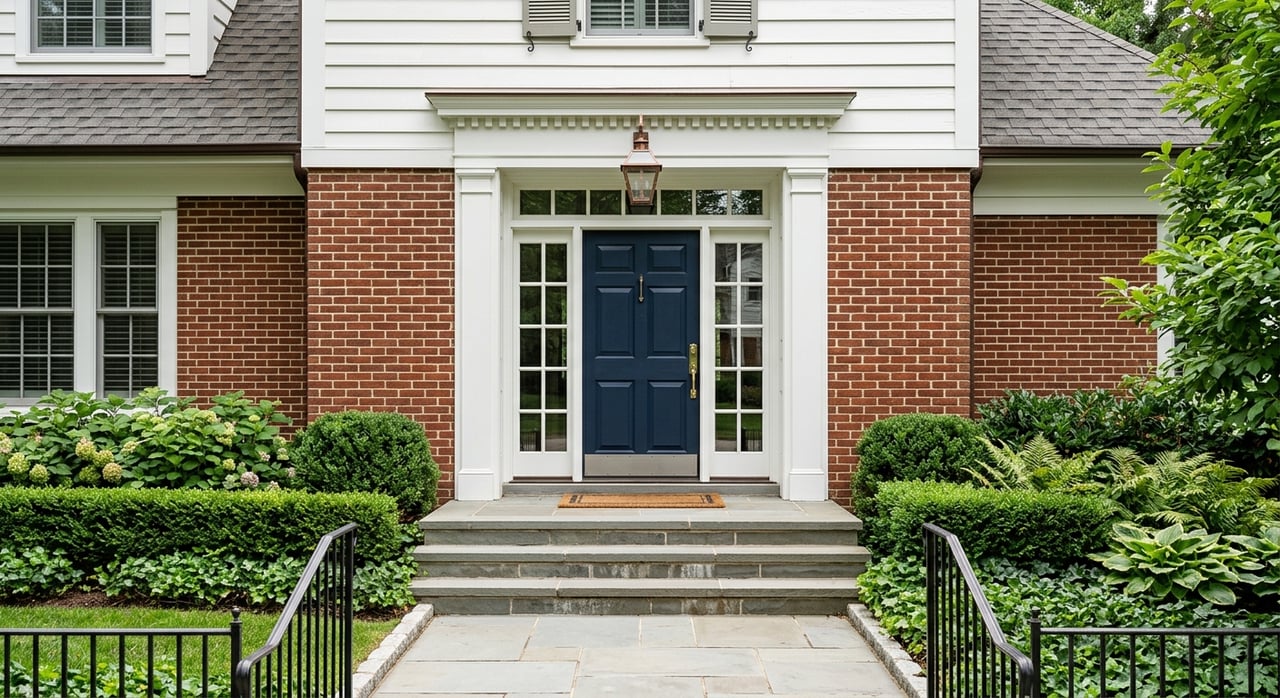
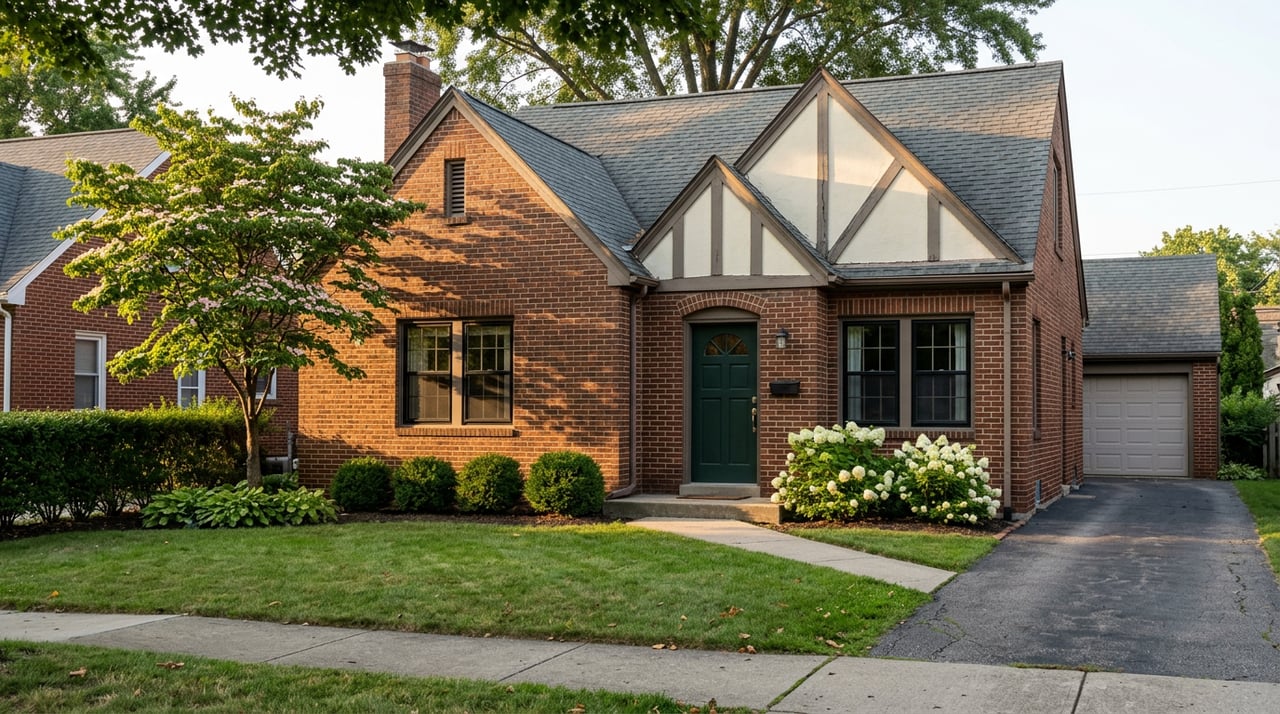
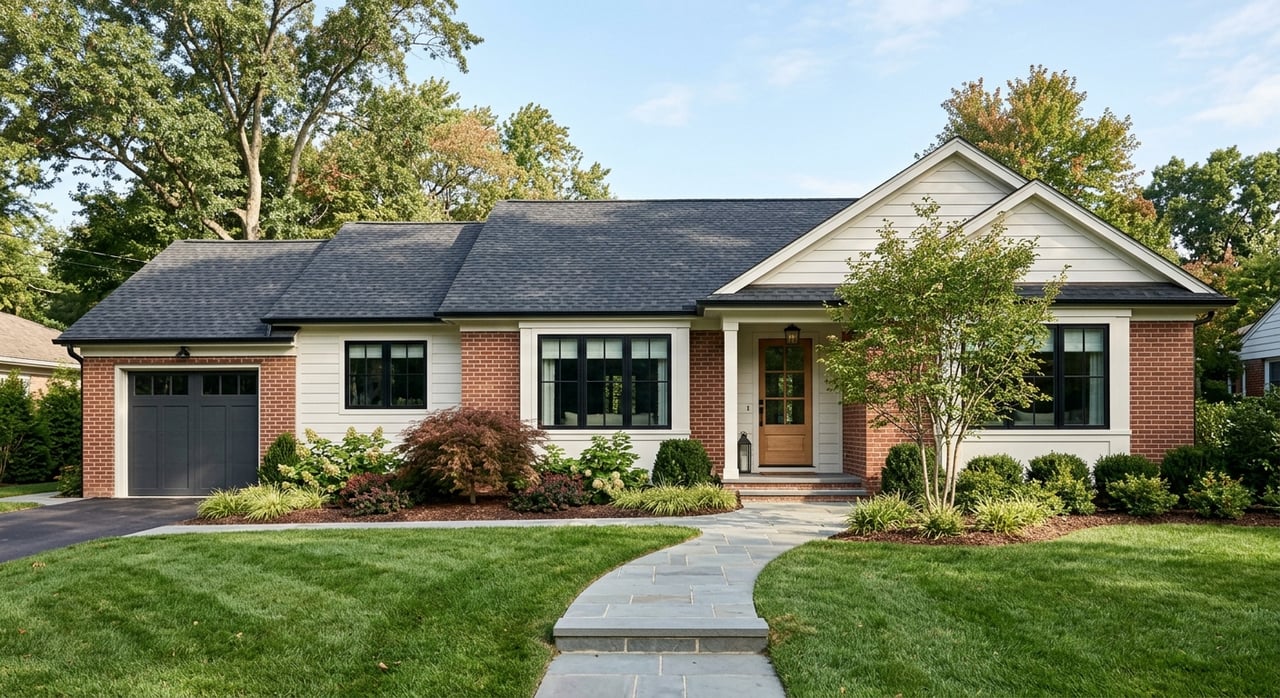
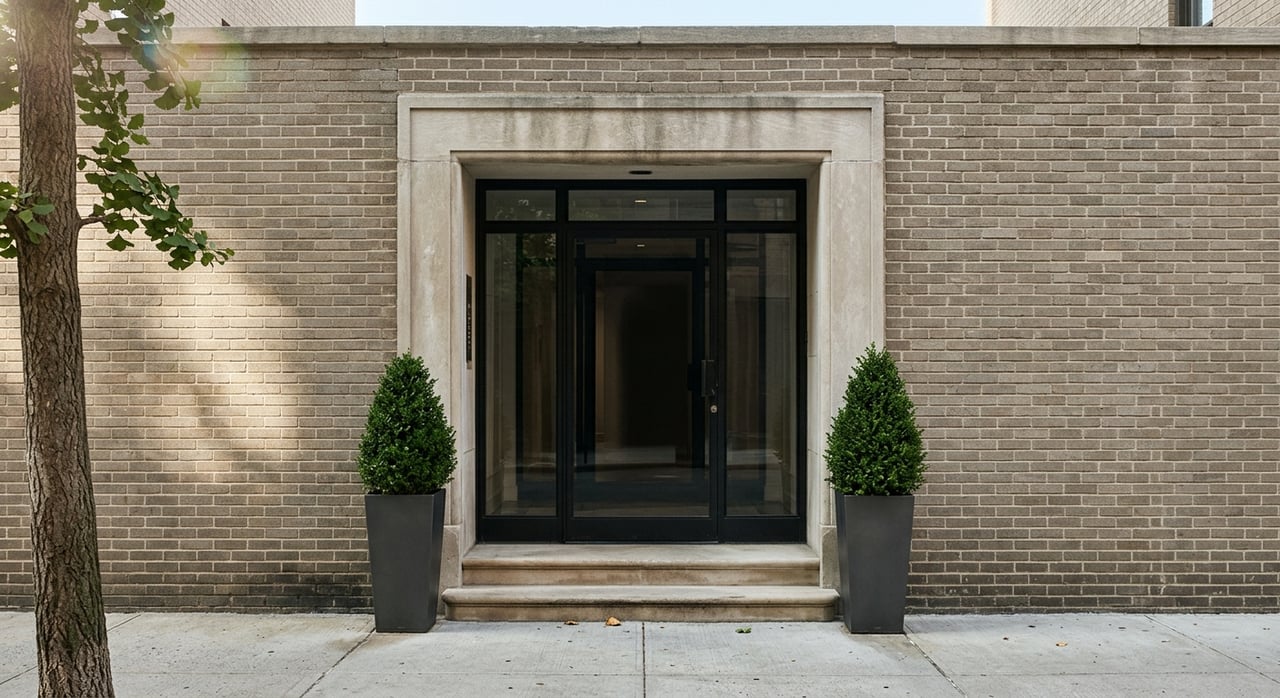
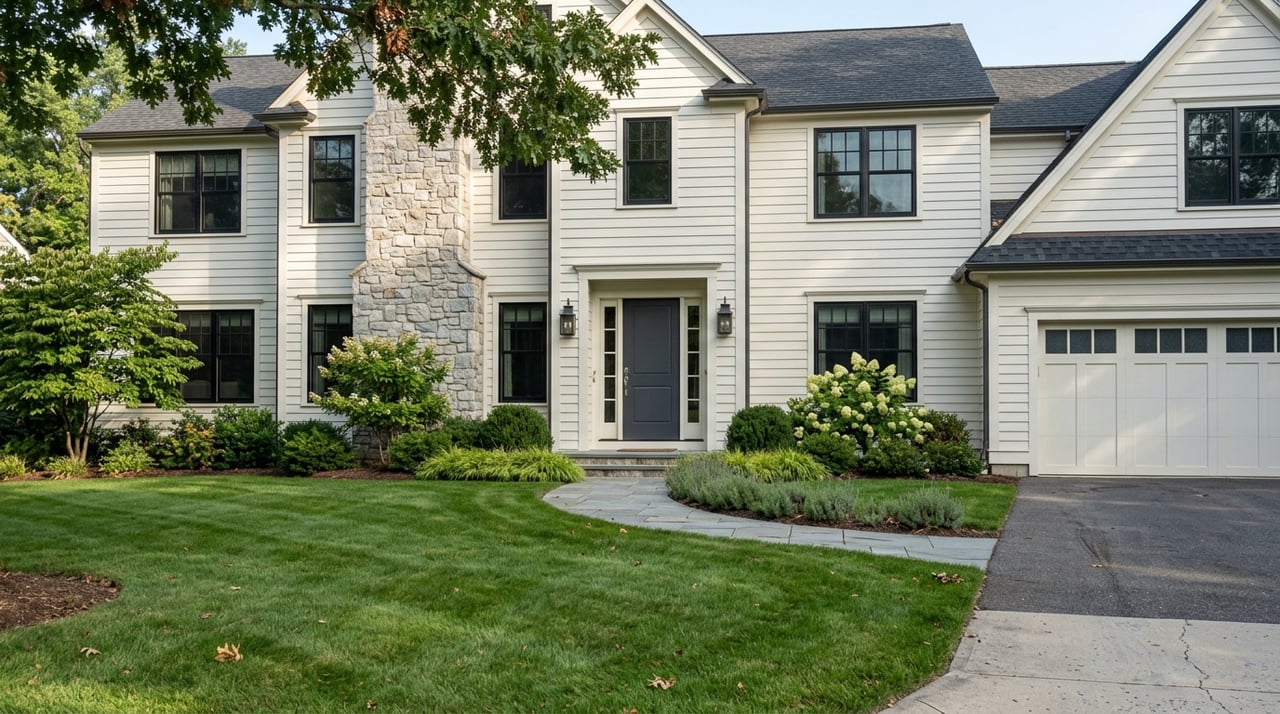
For many Bayside homes, the biggest visual opportunity starts before a buyer walks through the front door. Since the area is largely made up of single-family houses, exterior presentation carries extra weight.
Start with the basics buyers see immediately:
You do not need a major renovation to improve curb appeal. Often, simple cleanup, touch-up paint, trimmed plantings, and a more polished entry can make the home feel better cared for.
Buyers need to understand your home quickly. If each room feels crowded or overly personal, it becomes harder for them to focus on the space itself.
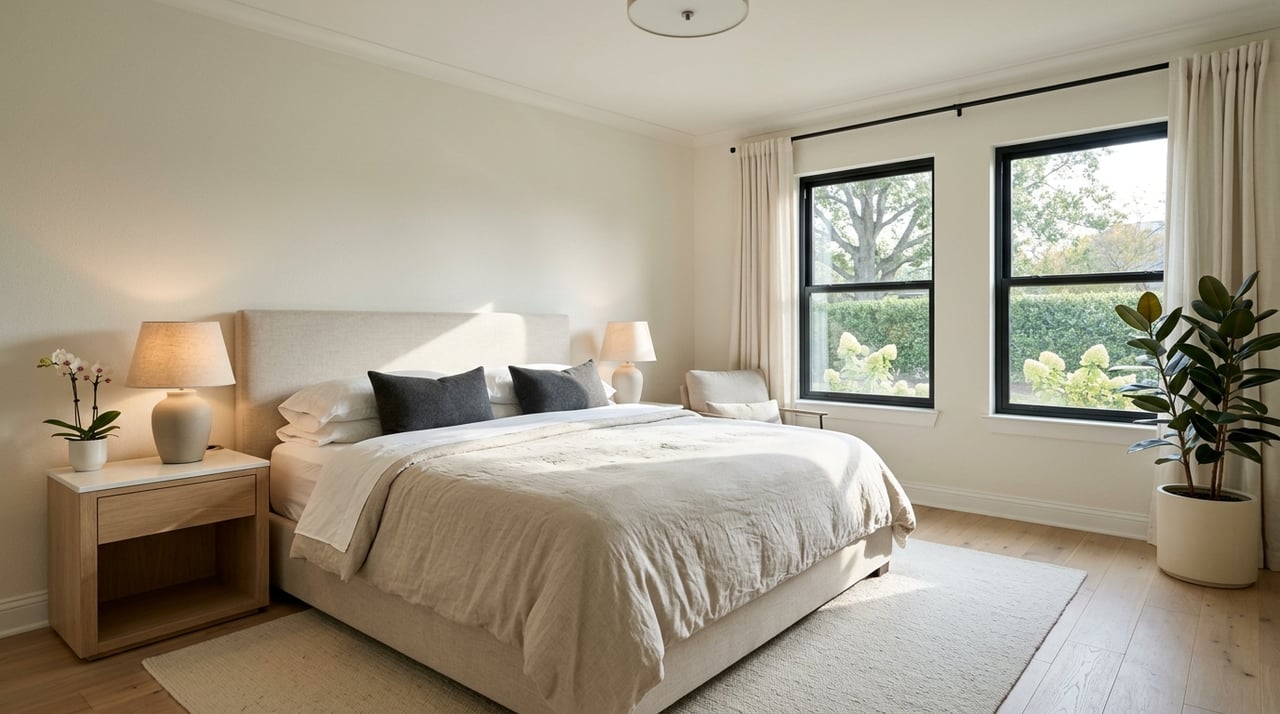
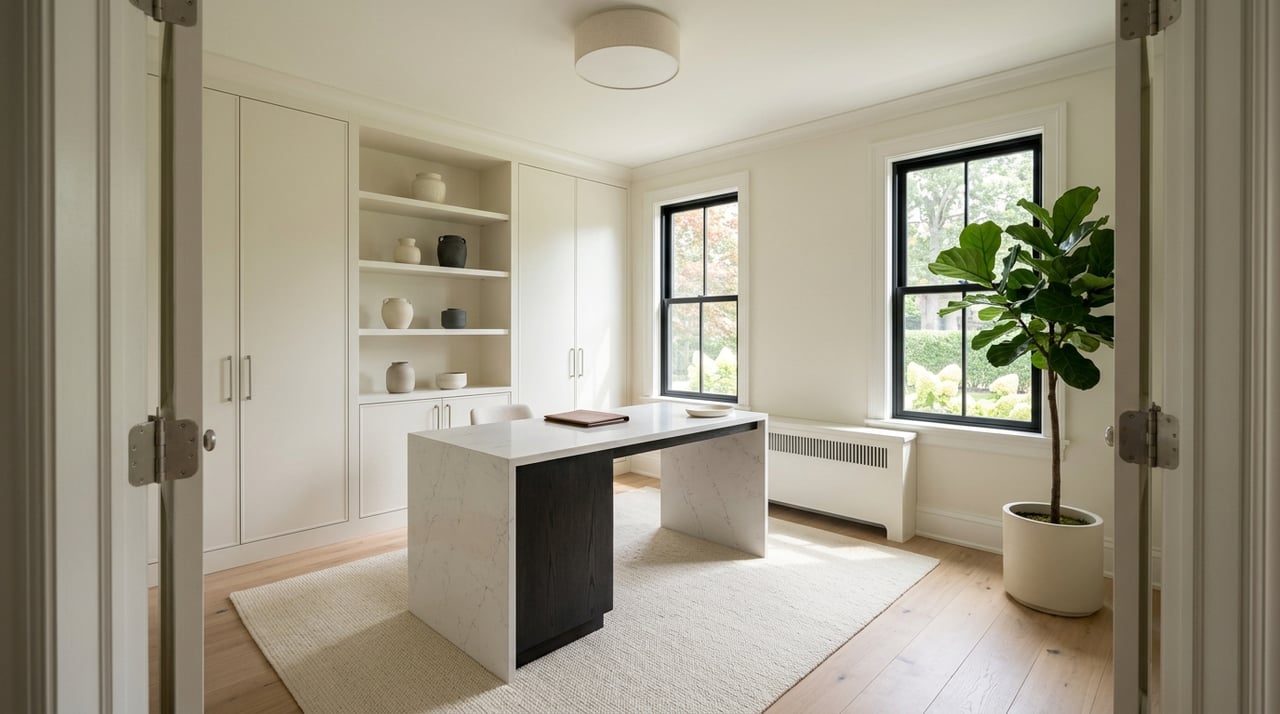
A strong pre-listing step is to declutter and depersonalize. Remove excess furniture, simplify shelves and surfaces, and pack away highly personal items so the home feels open, calm, and easy to read.
Closets matter too. NAR recommends that closets appear only partly full, which helps them feel more spacious. In a Bayside single-family home, storage is often an important comparison point, so this small detail can have a big effect.
Before listing, it usually makes more sense to make targeted cosmetic fixes than to take on major remodeling. Research supports a strategy built around repairs, touch-ups, staging, and curb appeal rather than expensive pre-sale overhauls.
Neutral paint is one of the most practical updates. Fannie Mae advises sellers to keep the home attractive to as many buyers as possible, and both Fannie Mae and NAR note that bright wall colors, unusual choices, and heavy personalization can turn buyers away.
As you prepare, focus on:
The goal is not to erase all character. It is to make the home easier for buyers to picture as their own.
Staging is not just about making a room look pretty. It helps buyers understand scale, function, and flow, especially online.
NAR’s 2025 staging report found that 83% of buyers’ agents said staging made it easier for buyers to envision the property as a future home. The same report found that 49% of sellers’ agents saw reduced time on market, and 29% reported a 1% to 10% increase in the dollar value offered.
That is especially relevant in Bayside’s premium single-family segment. If your home may be competing with other well-located properties, staging can help your listing feel more complete, more move-in ready, and more memorable.
A practical staging checklist includes:
The order matters too. Staging should happen before photography and before the listing goes live so your marketing starts strong.
A strong listing does more than describe bedrooms and bathrooms. It explains why the home works for the way buyers live.
In Bayside, that often means presenting the property around the features buyers are likely to compare most closely, such as layout, storage, outdoor space, parking, and commuting convenience. National buyer data also shows that neighborhood quality, convenience to friends and family, affordability, and convenience to work rank highly in buyer decision-making.
Your marketing should stay factual and specific. Instead of vague claims, it should clearly explain what the home offers, how the rooms function, and what practical benefits come with the property.
A smooth sale is not only about presentation. It is also about being ready on the paperwork side.
According to the New York Department of State, the Property Condition Disclosure Statement is required beginning July 1, 2025, and most one- to four-family residential sales require delivery before contract signing. Condos and co-ops are excluded.
If your home was built before 1978, federal lead-based paint disclosure rules also apply. Sellers must disclose known lead information, provide the required pamphlet, and share available records before the buyer is obligated under contract.
If pre-listing work is being done on a pre-1978 home, renovation, repair, and painting should follow lead-safe practices. Getting these items organized early can reduce stress and help your sale move forward with fewer surprises.
The most effective Bayside sale prep is usually not flashy. It is a coordinated plan that combines pricing strategy, cosmetic cleanup, staging, strong visuals, and early documentation.
A simple way to think about it is this:
That kind of preparation supports what many sellers want most: competitive pricing, effective marketing, and a sale that happens within the right timeframe.
Bayside is not a one-size-fits-all market. Broad online numbers can mix property types and nearby areas, which is why local context matters when you prepare a home for sale.
If you own a one-family home, your strategy should reflect the expectations of buyers in that segment. In a market where digital comparison is constant and presentation influences both interest and timing, the homes that stand out are usually the ones that feel polished, well explained, and ready from the start.
If you are thinking about selling in Bayside, the best first step is to look at your home the way a buyer will. Then create a plan that improves what they see online, what they feel at the curb, and how easily they can imagine living there. When those pieces come together, your home is in a much better position to stand out.
If you’re preparing to sell and want a polished, high-touch plan built around staging, professional visuals, and smart market positioning, connect with Michelle Zhao.
Stay up to date on the latest real estate trends.

We pride ourselves in providing personalized solutions that bring our clients closer to their dream properties and enhance their long-term wealth.